

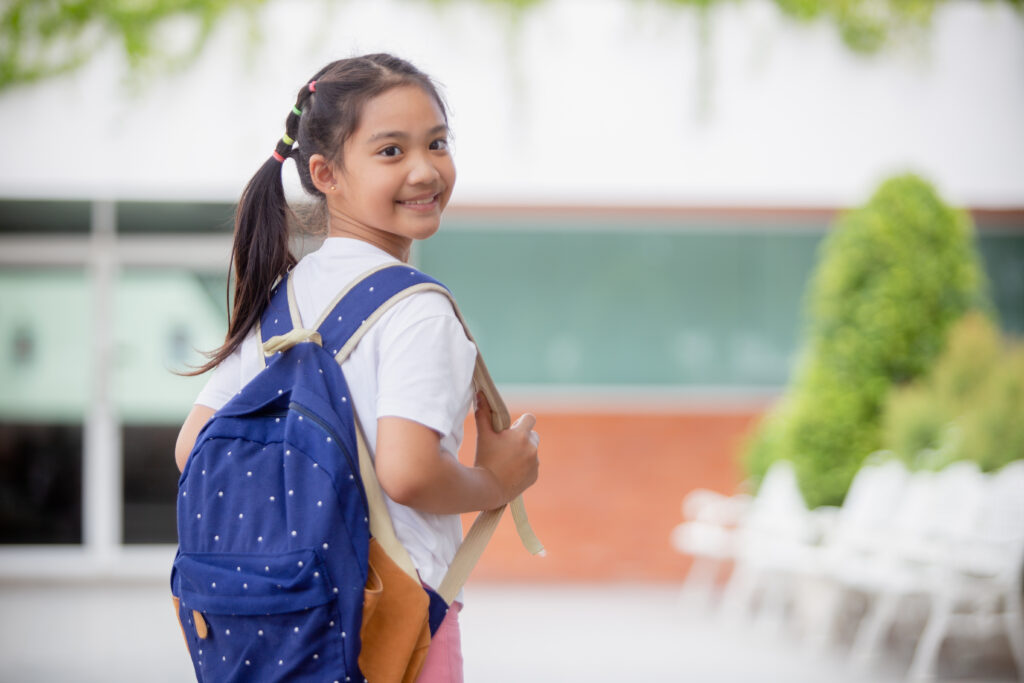
Going back to school can bring excitement, but it can also create anxiety for children and teens. New teachers, changing routines, academic expectations, and social pressures can make the beginning of the school year feel overwhelming.
Some nervousness is normal. The goal isn’t to eliminate every worry but to help children feel prepared to manage uncomfortable emotions and new situations. This back-to-school mental health checklist can help parents establish healthy routines, address concerns, and recognize when additional support may be helpful.
Back-to-School Mental Health Checklist
Reestablish School Routines
Summer often means later bedtimes and less structured mornings. A sudden change in schedule can make returning to school harder.
Start adjusting bedtime and wake-up times before the first day. Consistent sleep supports children’s mood, concentration, memory, and ability to manage stress. Gradually returning to a school-year sleep schedule can make the transition easier.
Parents can also practice morning routines, prepare backpacks and clothes the night before, and establish predictable times for meals, homework, and relaxation.
Talk About Back-to-School Anxiety
Instead of assuming you know what’s worrying your child, ask open-ended questions:
- What are you looking forward to this year?
- Is there anything you’re worried about?
- What do you think will be different?
- Who could you talk to if you’re having a difficult day?
Listen before offering solutions. Avoid dismissing fears with statements like, “There’s nothing to worry about.” Instead, acknowledge the concern while helping your child think through how they might handle the situation.
Make School Feel More Familiar
Uncertainty often contributes to anxiety. If possible, attend orientation, visit the school, practice the morning commute, or review your child’s schedule.
Younger children may benefit from practicing the school routine at home. Older children and teens might feel better after reviewing their schedule, transportation plans, or where they can find help during the school day.
Familiarity doesn’t eliminate every concern, but it can make the first few days feel more manageable.
Address Friendship and Social Concerns
For some children, social worries are more stressful than schoolwork. They may worry about making friends, being excluded, eating lunch alone, or encountering bullying.
Give your child opportunities to discuss these concerns without immediately trying to solve them. When appropriate, brainstorm manageable strategies, such as approaching a familiar classmate, joining an activity, or identifying a trusted teacher or counselor.
If your child previously experienced bullying or significant social difficulties, consider communicating with the school before classes begin. With parent consent, PAC Psych clinicians can also collaborate with schools to support children’s emotional and behavioral needs.
Set Healthy Academic Expectations
Academic goals can be motivating, but excessive pressure can contribute to anxiety and perfectionism.
Focus on behaviors children can control rather than only grades. Encourage them to complete assignments, ask questions, prepare for tests, stay organized, and seek help when something is difficult.
Remind your child that adjusting to new teachers and coursework takes time. One difficult assignment or disappointing grade does not determine the entire school year.
Protect Sleep, Downtime, and Healthy Habits
Children need opportunities to recover after school. Avoid overscheduling when possible and pay attention to how much downtime your child needs.
Healthy habits—including sufficient sleep, regular meals, physical activity, and reasonable screen boundaries—can support emotional well-being. A younger child may need outdoor play after school, while a teenager may benefit from quiet time before starting homework.
Creating consistent routines can also give children a sense of predictability when other parts of school feel uncertain.
Encourage Coping Instead of Avoidance
When children feel anxious, parents naturally want to remove whatever is causing distress. However, repeatedly allowing children to avoid feared situations can sometimes reinforce anxiety.
Instead, communicate both empathy and confidence: “I know this feels difficult, and I believe you can handle it.”
Children can practice strategies such as slow breathing, breaking overwhelming tasks into smaller steps, challenging anxious thoughts, and gradually approaching situations they fear.
PAC Psych’s SPACE parent coaching can also help parents respond supportively to childhood anxiety while reducing accommodations that may unintentionally maintain anxious behaviors.
Signs Your Child May Need Additional Support
Back-to-school nerves often improve once children become familiar with their routines. However, consider seeking professional support if difficulties are intense, persistent, or interfering with everyday life.
Signs to watch for include:
- Frequent headaches, stomachaches, or nausea related to school
- Persistent sleep difficulties
- Intense distress before school
- Repeated attempts to stay home or leave early
- Withdrawal from friends or activities
- Significant mood changes or irritability
- Difficulty concentrating or completing schoolwork
- A noticeable decline in academic functioning
- Excessive reassurance-seeking
- Anxiety that disrupts normal family routines
Parents can speak with their child’s pediatrician, school counselor, or mental health professional when concerns persist.
How Therapy Can Help With Back-to-School Anxiety
Therapy isn’t only for children in crisis. It can provide a supportive environment for children and teens to understand their worries and develop practical strategies for managing them.
At PAC Psych, child and adolescent therapy can address anxiety, school-related stress, avoidance, friendship difficulties, behavioral challenges, and other emotional concerns.
Evidence-based approaches such as Cognitive Behavioral Therapy (CBT) can help children understand connections between thoughts, emotions, and behaviors. Exposure-based strategies can also help children gradually approach situations they have been avoiding and develop confidence through experience.
PAC Psych’s anxiety and phobia treatment for children and teens incorporates practical coping skills, gradual exposure, and parent involvement based on each child’s individual needs.
Starting the School Year With Confidence
Emotional readiness doesn’t mean a child has no anxiety. A more realistic goal is helping them recognize: “I’m nervous, but I can handle this.”
Predictable routines, open conversations, healthy expectations, adequate rest, and opportunities to practice coping can make the transition back to school easier. When anxiety begins interfering with school, friendships, sleep, or family life, professional support can help.
PAC Psych provides evidence-based child and adolescent therapy for children, teens, and families in New York City. If your child is struggling with back-to-school anxiety, social concerns, academic stress, or school avoidance, PAC Psych can help your family identify appropriate next steps.