

Social Interaction Profile
Detailed information about how your child approaches friendships, handles group dynamics, and responds to social invitations or challenges.
Navigating friendships and social connections can be challenging for some children and teens. Social relationship difficulties go beyond simple “awkwardness” or “not fitting in.” They can involve persistent struggles to make or keep friends, join group activities, read social cues, or feel comfortable in peer interactions—often leading to loneliness, anxiety, or low self-esteem.
At PAC Psych, we know how painful it can be to watch your child struggle to connect with others, especially when you know how much they want to belong. Our team partners with families, schools, and children to identify the unique obstacles your child faces and to build the skills and confidence needed for meaningful relationships. Treatment is especially helpful when social difficulties are impacting academic participation, emotional well-being, or daily life.
From our Upper West Side practice, we combine interviews, structured assessments, and input from home and school to develop a clear understanding of your child’s social strengths and challenges—and a practical plan to help them thrive.

Extra social skills support may be recommended when:
Families often reach out when they notice ongoing patterns of social struggle—despite encouragement, advice, or time. A thorough assessment can clarify what’s happening and point toward the most effective supports.
Every intake is tailored to the child, but a typical intake when the referral reason concerns social relationships may include:
Detailed information about how your child approaches friendships, handles group dynamics, and responds to social invitations or challenges.
Questionnaires, interviews, and observations to understand anxiety, self-esteem, mood, and coping skills in social situations.
Feedback from teachers and school staff about your child’s participation in class, group work, recess, and extracurriculars.
Understanding family expectations, cultural background, prior experiences, and how adults and siblings interact with and support your child.
We bring all this information together to create a comprehensive picture: how social relationship challenges show up for your child, what factors maintain them, and which strategies are most likely to help.
Children and teens with social difficulties often feel vulnerable or self-conscious about being evaluated. At PAC Psych, we design our intake process to be supportive, flexible, and sensitive to your child’s comfort.
We start with a detailed conversation with parents or caregivers (often without the child present at first) to understand social patterns, developmental history, school experiences, and your concerns. We review any previous evaluations or reports and clarify the main questions guiding our assessment.
With your consent, we gather insights from teachers, school counselors, and other providers. This might include rating scales, written observations, and (when possible) classroom or group activity observations that show how your child navigates social situations.
We meet with your child in a gradual, low-pressure way, using play, conversation, or collaborative activities to help them feel at ease. We may:

We understand that social relationship challenges can be confusing and stressful for families. Parents may worry about their child’s happiness, future friendships, or how best to help. Throughout the process, we:
Our aim is for you to leave with a clear understanding of your child’s needs and a practical plan for supporting their social development.
Many children and teens experience bumps in their social journey, but when difficulties persist and impact well-being, early assessment and support can make a significant difference. The sooner we understand your child’s unique needs, the sooner we can help them build confidence, skills, and positive connections.
If you’re uncertain whether your child needs social skills support, a broader evaluation, or another type of support, we’re here to talk through your concerns and help you find the best path forward.
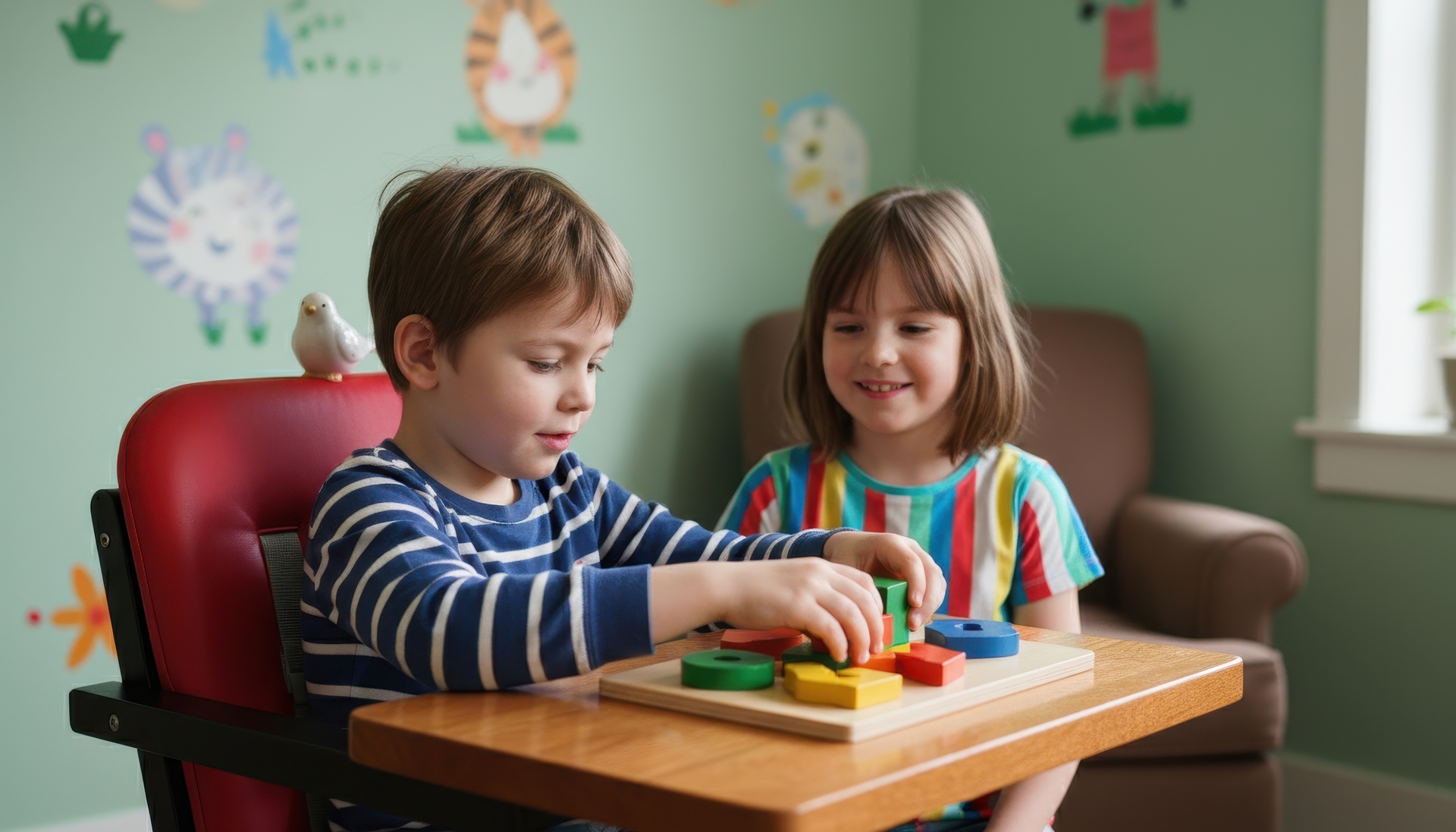
If you’re considering support for your child’s social relationships, the first step is to schedule an intake. We’ll discuss your concerns, review your child’s social experiences across settings, and outline what a treatment plan might look like.
Ready to explore how a social relationships assessment can help your child connect and thrive? Contact us to schedule a consultation.