
Behavior Patterns and Triggers
Detailed exploration of when, where, and with whom challenging behaviors occur, and what seems to trigger or calm them.
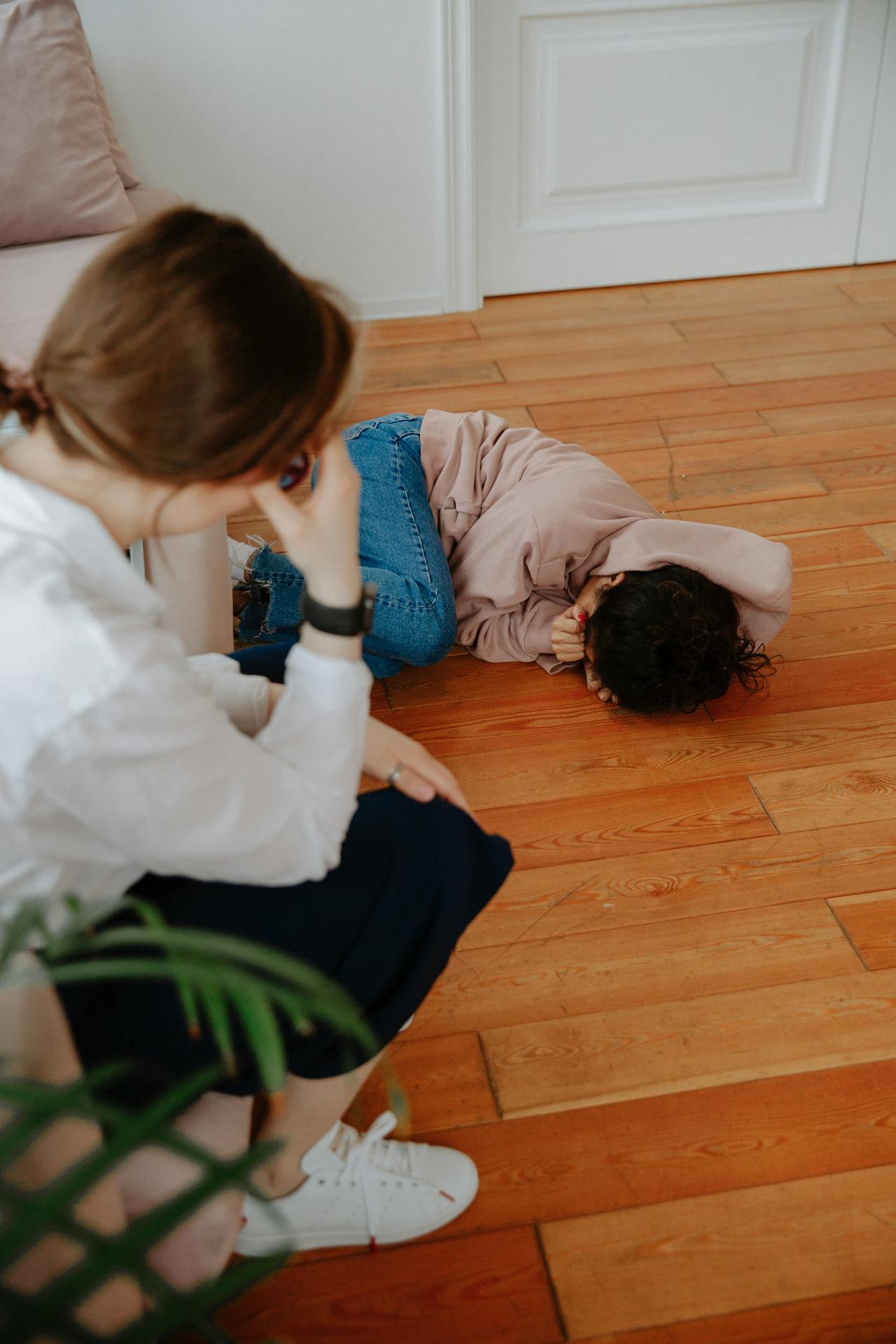
Challenging behaviors—like frequent tantrums, aggression, defiance, or intense emotional outbursts—can be overwhelming for families. These behaviors are often a sign that a child or teen is struggling to manage big feelings, communicate needs, or adapt to expectations—not simply “acting out” or being “bad.”
At PAC Psych, we understand how exhausting and worrisome it can be when your child’s behavior feels out of control at home, at school, or in public. Our job is to work closely with you, your child, and their school or care team to understand what’s driving these behaviors and to develop practical strategies for positive change. Treatment is especially helpful when challenging behaviors are interfering with learning, relationships, or family life—or when you’re unsure whether your child’s struggles are “just a phase” or something more.
From our Upper West Side practice, we use interviews, structured assessments, and input from home and school to build a holistic understanding of your child’s strengths, challenges, and needs—and to create a clear, actionable plan for support.
A focused assessment for challenging behaviors is often recommended when:
Families often reach out after trying a variety of strategies—sometimes for months or years—without seeing lasting change. Getting a clear diagnosis and plan can be a turning point for your child and your family.
Every evaluation is tailored to your child, but a typical assessment may include:
Detailed exploration of when, where, and with whom challenging behaviors occur, and what seems to trigger or calm them.
Questionnaires, interviews, and observations to understand your child’s emotional regulation, coping skills, and relationships with peers and adults.
Input from teachers, school staff, or other caregivers about classroom behavior, participation, academic performance, and any supports already in place.
Understanding family routines, stressors, cultural context, and how adults respond to behaviors—so we can recommend strategies that fit your real life.
We integrate all of this information to build a clear picture of what’s driving your child’s behaviors and which interventions are likely to make a difference.
We know that children with challenging behaviors—and their families—often feel frustrated, judged, or misunderstood. At PAC Psych, we design our process to be supportive, collaborative, and non-blaming.
We begin with a thorough meeting with parents or caregivers (often without the child at first) to discuss behavior patterns, developmental history, school experiences, and your main concerns. We review any prior reports or evaluations and clarify the key questions guiding our assessment.
With your permission, we gather input from teachers, counselors, or other professionals. This may include rating scales, written feedback, and (when possible) classroom observations or videos.
We meet your child in a supportive, low-pressure way—using play, conversation, or activities that help them feel comfortable. We observe how they respond to expectations, manage frustration, and interact with others. Our goal is to understand—not to judge or label.

We recognize that living with challenging behaviors can be stressful and isolating for families. Throughout the process, we:
Our goal is for you to leave with more clarity, compassion, and a plan for moving forward.
Challenging behaviors rarely resolve on their own when they’re persistent and disruptive. The earlier we can intervene, the sooner your child—and your family—can learn new ways of coping, communicating, and thriving. Assessment is especially important when behaviors are affecting learning, friendships, or family harmony.
If you’re unsure whether your child needs a focused behavioral evaluation, broader neuropsychological testing, or another type of assessment, we can help you think through your concerns and determine the best next step.

If you’re considering treatment for challenging behaviors, the first step is to schedule an intake. We’ll talk through your concerns, review your child’s behavioral patterns, and discuss what a tailored treatment plan could look like.
Ready to explore how a challenging behaviors assessment can help your child and family? Contact us to schedule a consultation.