
Frequent conflict, misunderstandings, or feeling “stuck” in arguments
Family Therapy for Children, Teens & Parents
Family therapy is one of the core approaches we use at PAC Psych to help families strengthen relationships, improve communication, and navigate challenges together. Family therapy brings children, teens, and parents together to understand each other better, solve problems collaboratively, and build a more connected home environment.
At our child-friendly Upper West Side practice, we adapt family therapy to your family’s unique needs, culture, and values, so sessions feel supportive, practical, and meaningful for everyone.
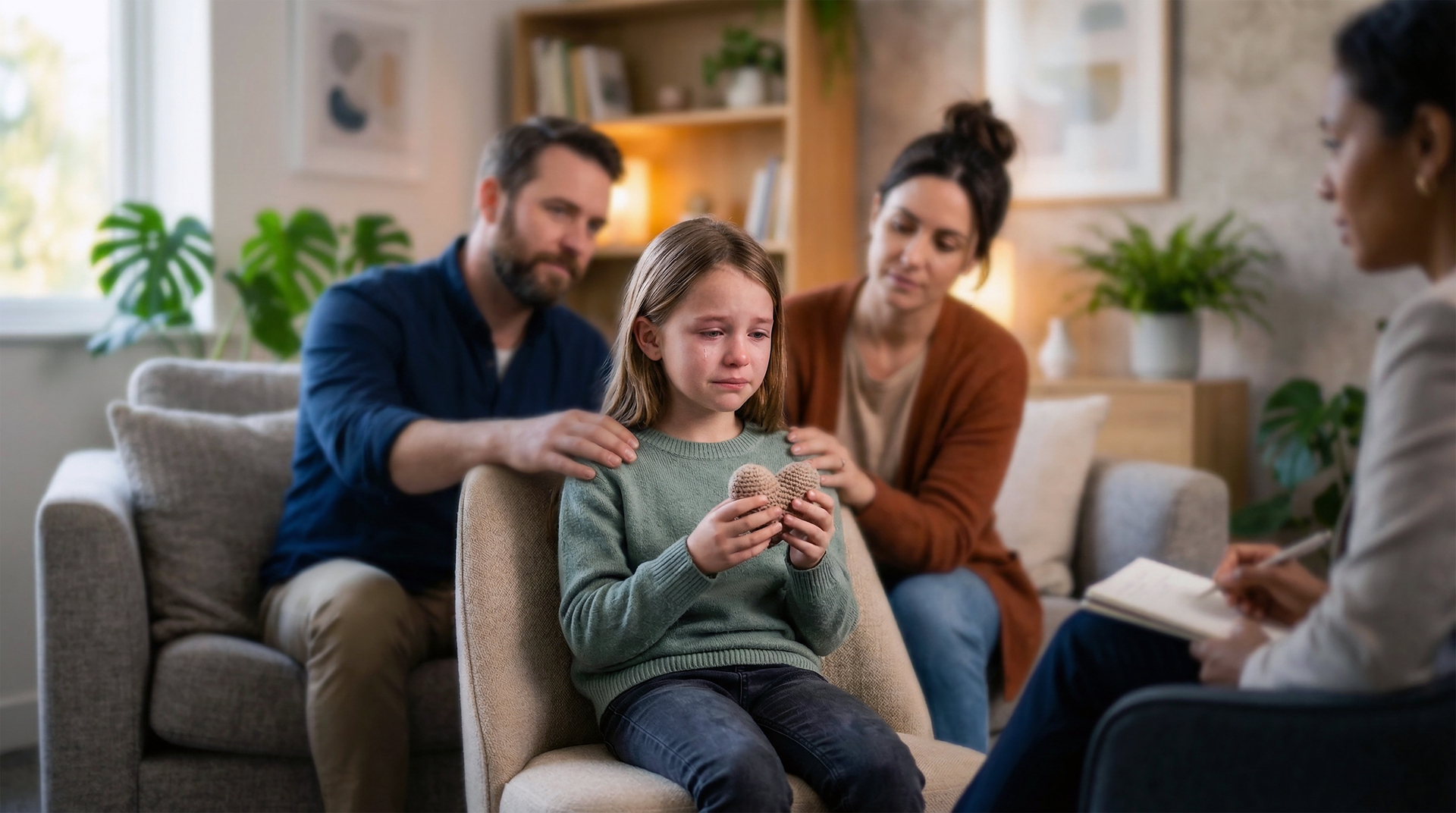
What Is Family Therapy, in Kid-Friendly Terms?
We often explain family therapy to kids as “working together so home feels more like a team and less like a tug-of-war.”
- Thoughts are what we believe about ourselves and each other—sometimes true, sometimes just old habits.
- Feelings are the emotions we all bring to the table—like frustration, sadness, worry, or hope.
- Behaviors are what we do when things are tough—like arguing, withdrawing, or trying to fix things for others.
Family therapy helps everyone notice relational patterns – how family members respond to each other. These insights allow families to develop and practice new ways of talking, listening, and solving problems. Over time, families build a “toolbox” of skills that make home life calmer, more connected, and more resilient.
When Family Therapy Can Help
Family therapy can help with:
Stressful changes, like divorce, blending families, moves, or loss
Communication that feels tense, distant, or “walking on eggshells”
Family therapy offers a clear, step-by-step way to rebuild trust, improve communication, and create new solutions as a team.
Contact Us to Learn MoreHow We Use Family Therapy at PAC Psych
Family therapy at PAC Psych is:
Goal-oriented
We work with your family to set specific, realistic goals (for example, “have fewer arguments at dinner,” “improve bedtime routines,” or “feel more connected after a big change”).Active and practical
Sessions are more than just talking about problems. We teach and practice concrete skills—like active listening, problem-solving, and emotion regulation—and then try them out at home.Tailored to age
Family therapy for a family with a 7-year-old looks different than for a family with a 15-year-old. We adjust language, activities, and pace so it fits your family.

Our Ackerman trained family therapists integrate family systems theory, psychodynamic therapy, emotion-focused techniques, and evidence based models and may coordinate with schools or individual providers as needed.
What Family Therapy Looks Like by Age
Younger Children (Ages 4–10):
Family therapy is woven into play, stories, and visuals. We might use:
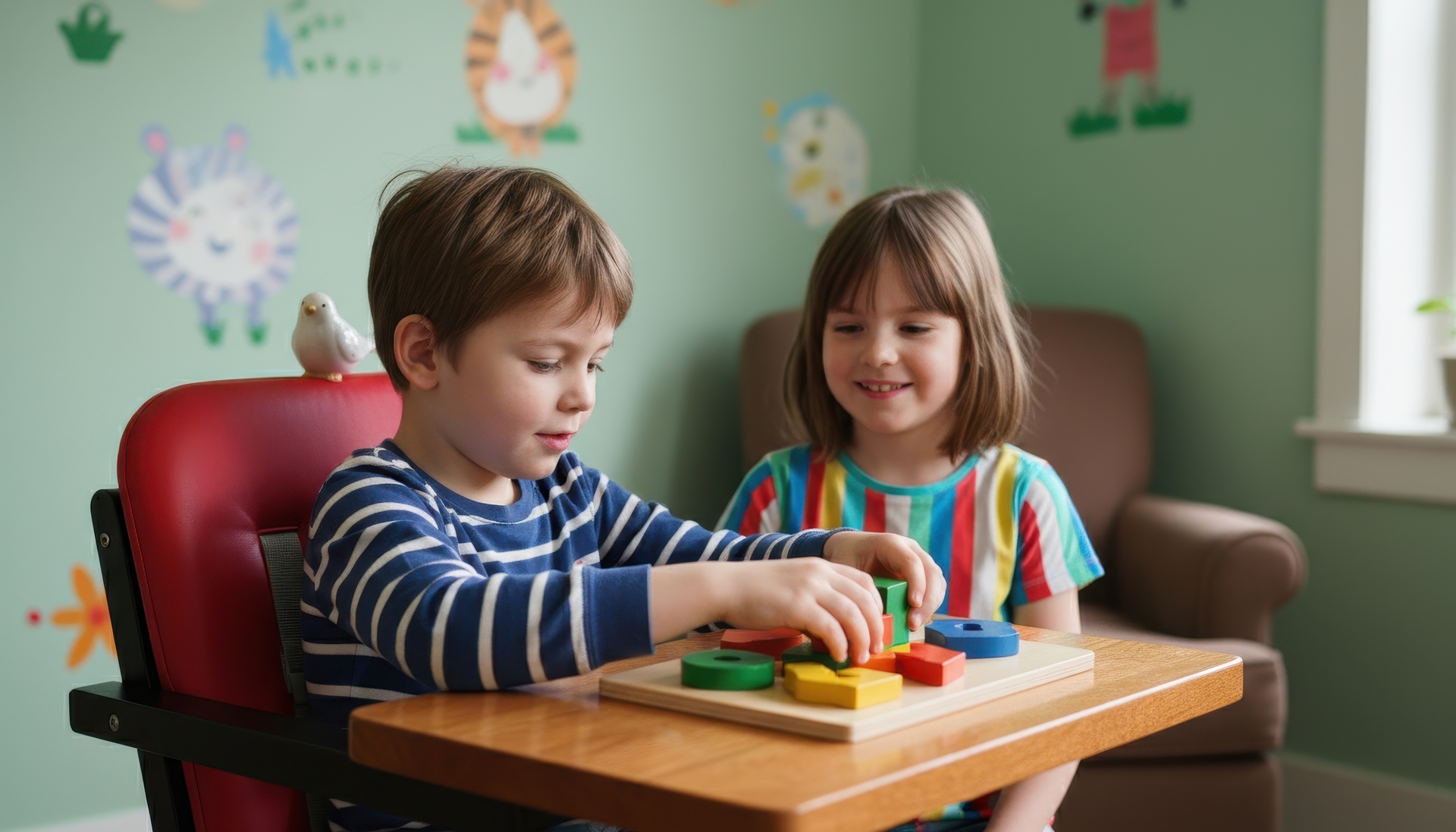
- Games and activities to practice communicating and playing with one another
- Feelings charts and stories to help kids talk about what’s going on
- Coaching for parents to reinforce new skills and set consistent limits with love and intention
Preteens and Teens:
Family therapy looks more like guided conversations plus real-life problem-solving. We help families:
- Identify and shift unhelpful communication patterns (interrupting, blaming, shutting down)
- Practice “I statements,” active listening, and respectful disagreement
- Build routines and agreements around tricky areas—like screen time, chores, or independence
Teens often appreciate that family therapy is straightforward, collaborative, and focused on what matters to them. We understand the importance of getting each members ‘buy in’ and focus on finding shared goals and making the space feel productive for everyone.
Facing Family Challenges
Many families come to therapy feeling overwhelmed by ongoing conflicts or patterns that seem hard to break. In family therapy, we take a step-by-step approach to gently address these challenges as a team. This might mean practicing new ways to talk about tough topics, trying out different problem-solving strategies, or planning small changes in routines and roles at home. We might explore past experiences and interactions, relational ruptures, and emotional impasses, as well as your family’s strengths and proud moments.
Just like with exposure in anxiety treatment, we move at your family’s pace—never forcing anyone to share or change before they’re ready. Together, we create a supportive environment where each family member can try out new skills, celebrate successes, and adjust the plan as confidence and trust grow. The goal is for everyone to feel heard, respected, and empowered to contribute to positive changes at home.
Is Family Therapy Right for Us?
Family therapy can be a strong option if:
- Family stress or conflict is interfering with daily life, school, or relationships
- You’re feeling stuck in unhelpful cycles—like arguments, power struggles, or avoidance
- You want to strengthen your family’s ability to handle tough times together
Some goals can be addressed in a short-term, focused course of family therapy. More complex or long-standing challenges may benefit from longer-term work, sometimes alongside other services like individual therapy.
If you’re not sure whether family therapy is the best fit, we can discuss your family’s situation and recommend the right combination of services within PAC Psych’s broader Child & Family Therapy offerings.
Getting Started with Family Therapy at PAC Psych
If you’re considering family therapy, the first step is to schedule a consultation. We’ll talk through your concerns, explain how family therapy might apply to your specific challenges, and outline a plan that may include family sessions, parent support, or a combination of services.
Ready to learn whether family therapy can help your family feel more connected and supported? Contact us to schedule a consultation.