
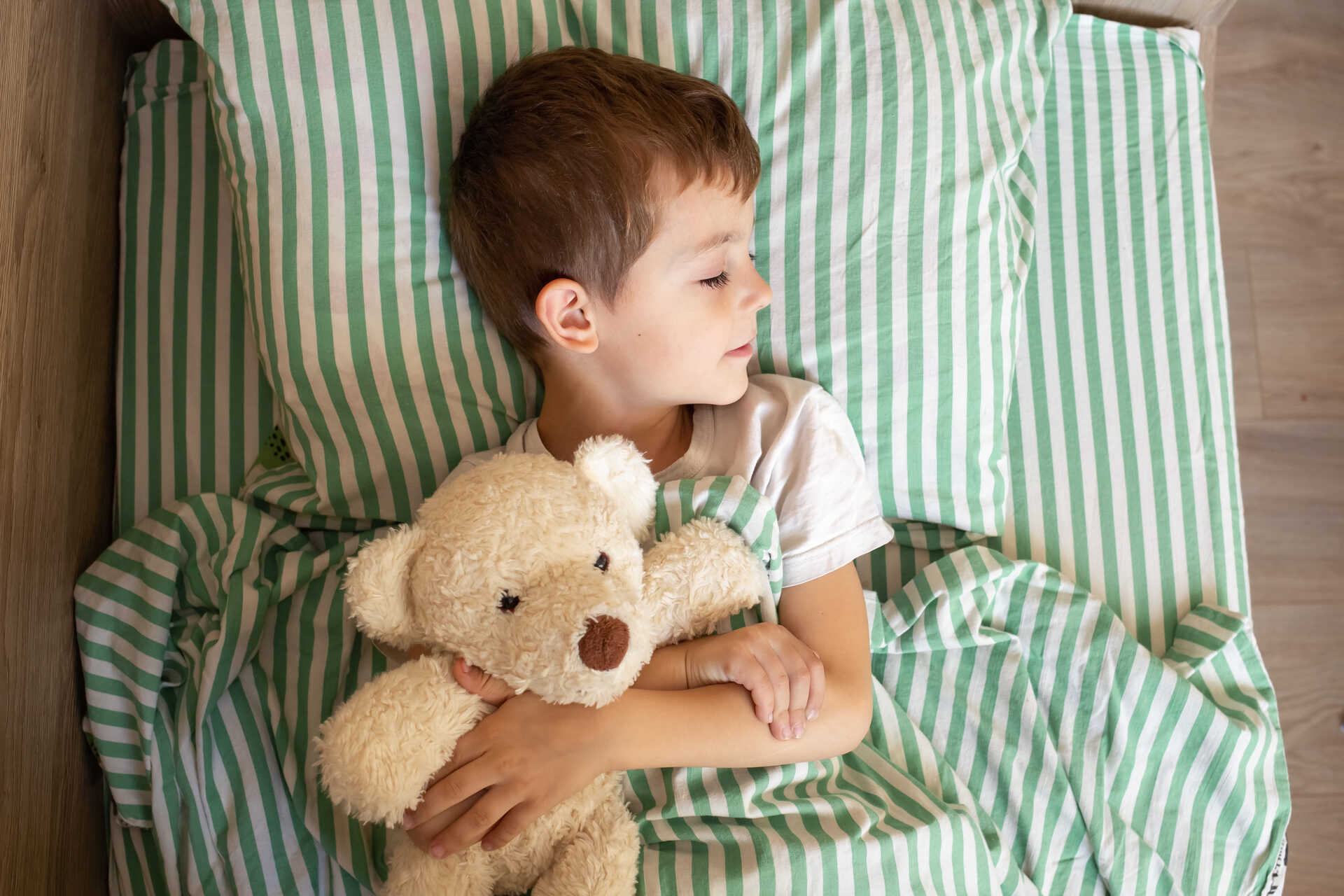
Bedtime battles, stalling, or intense resistance to going to bed
Sleep Issues Treatment for Children & Teens
Sleep struggles can affect every part of a child’s life—and the whole family’s, too. At PAC Psych, we help children and adolescents work through bedtime battles, night wakings, and anxiety around sleep so nights feel calmer and days feel more manageable. We draw on evidence-based behavioral and cognitive strategies to improve sleep routines, reduce conflict, and address worries that show up at night.
At our child-friendly Upper West Side practice, we tailor sleep treatment to your child’s age, temperament, and specific challenges so the plan feels realistic and sustainable, not like a rigid “one-size-fits-all” schedule.
What Is Sleep Treatment, in Kid-Friendly Terms?
We often explain sleep work to kids as “helping your brain and body learn how to be good at resting.”
- Thoughts are the stories your brain tells you at night—like “Something bad might happen” or “I’ll never fall asleep.”
- Feelings are how those stories show up in your body—like a racing heart or a knot in your stomach.
- Behaviors are what you do next—like asking for one more check-in, getting out of bed, or staying on your phone.
Sleep treatment helps children and teens notice those patterns, understand why their sleep is getting stuck, and practice new routines and coping skills. Over time, they build a toolbox of strategies to help their body settle, their mind feel safer, and nighttime feel less like a battle.
When Sleep Treatment Can Help
Sleep-focused treatment is especially helpful when sleep troubles are ongoing and affecting daily life. We often work with:
Trouble falling asleep without a parent present or in their own bed
Frequent night wakings, nightmares, or moving into a parent’s bed overnight
Many families come to us when they feel like they’ve “tried everything,” or when sleep problems are fueling moodiness, behavior issues, school struggles, or family stress. Structured, supportive treatment offers a clear, step-by-step way to improve sleep while respecting your child’s feelings and your family’s values.
Contact Us to Learn MoreHow We Treat Sleep Issues at PAC Psych
Sleep treatment at PAC Psych is:
Goal-oriented
We work with you and your child to set specific, realistic goals (for example, “fall asleep in my own bed,” “stay in bed all night,” or “take less than 30 minutes to fall asleep most nights”).Active and practical
Sessions are not just talking about sleep. We teach and practice concrete skills—like calming routines, coping with nighttime worries, and gradually changing sleep habits—and then plan small steps to try at home between sessions.Tailored to age and underlying causes
Treatment for a 6-year-old with separation-related sleep issues looks different from treatment for a 16-year-old who is up late on screens or lying awake with racing thoughts. We adjust the language, activities, and strategies so they fit your child.

We often integrate behavioral sleep strategies, Cognitive Behavioral Therapy (CBT), and parent-focused support. Depending on your child’s needs, we may also coordinate with your pediatrician or other providers to rule out medical contributors to sleep problems.
What Sleep Treatment Looks Like by Age
Younger Children (Ages 3–10):
For younger kids, sleep work often centers on routines, separation from caregivers at night, and bedtime anxiety. We might use:
- Visual schedules and bedtime routines to make evenings predictable
- Check-ins, bedtime passes, and rewards to support sleeping in their own bed
- Step-by-step “sleep ladders” to gradually reduce parent presence at bedtime or overnight
Parents are closely involved so changes are carried out consistently at home and any challenges that come up can be addressed quickly.
Preteens and Teens:
With preteens and teens, sleep work often blends CBT with practical habit change. We help them:
- Understand how thoughts, screens, caffeine, and schedules affect sleep
- Challenge unhelpful beliefs like “I’ll never fall asleep” or “I need to check my phone or I’ll miss something important”
- Build healthier sleep routines around bedtime, wake time, and evening activities
- Develop coping skills for nighttime worries, racing thoughts, or stress about school and social life
Teens often appreciate that the focus is on changes that feel doable and that we collaborate on solutions rather than just “taking things away.”
The Parent Role in Sleep Treatment
Parents are an essential part of successful sleep treatment, especially for younger children. At PAC Psych, we keep you informed about the strategies we’re using, coach you on how to respond consistently to bedtime protests or night wakings, and help you balance empathy with clear limits.
When additional support is needed, we may recommend Parent Management Training, PCIT, or parent-focused sessions alongside your child’s sleep work.
Exposure
Gently Facing Nighttime Fears
For children and teens whose sleep issues are tied to anxiety or nighttime fears, effective treatment often includes a gentle exposure component. This might mean gradually:
- Spending more alone time in their bedroom
-
Extend the amount of time between check-ins certain ‘safety’ behaviors (like repeated reassurance checks)
-
Slowly fading parents out of the room
Together, we create a “bravery ladder” of small, manageable steps, teach coping skills they can use when they feel scared or uncomfortable, and celebrate progress while adjusting the plan as their confidence grows. Exposure is always collaborative and paced so your child feels supported—not forced.
Is Sleep Treatment Right for My Child?
Sleep-focused treatment can be a strong option if:
- Your child’s sleep problems have lasted for weeks or months, not just a few nights
- Sleep struggles are affecting mood, behavior, school, or family functioning
- You’re ready to make some changes to routines and are open to trying a structured plan
Some sleep goals can be addressed in a short-term, focused course of treatment. More complex or long-standing difficulties—especially when sleep problems are tied to significant anxiety, mood concerns, or medical issues—may benefit from longer-term work or collaboration with other providers.
If you’re not sure whether sleep-focused treatment is the best fit, we can discuss your child’s situation and recommend the right combination of services within PAC Psych’s broader Child Therapy offerings.
Getting Started with Sleep Treatment at PAC Psych
If you’re considering help for your child’s sleep issues, the first step is to schedule a consultation. We’ll talk through your concerns, learn about your child’s current routines and nighttime patterns, and explain how our approach might apply to their specific challenges. We’ll then outline a plan that may include sleep-focused behavioral work, CBT for anxiety, parent support, or a combination of services.
Ready to explore whether sleep treatment can help your child—and your family—get more restful nights? Contact us to schedule a consultation.