Frequent tantrums, meltdowns, or aggression
Parent-Child Interaction Therapy
Parent-Child Interaction Therapy (PCIT) is a specialized, evidence-based treatment for young children with behavior and emotion challenges. At PAC Psych, PCIT combines play-based interactions with live coaching for parents, helping you build a stronger relationship with your child while also improving behavior at home, in public, and sometimes at school.
In our Upper West Side practice, PCIT sessions focus on what you and your child do together in the room. Your therapist observes and coaches you in real time so you can feel more confident, connected, and effective in the most challenging moments.
What Is PCIT, in Kid-Friendly Terms?
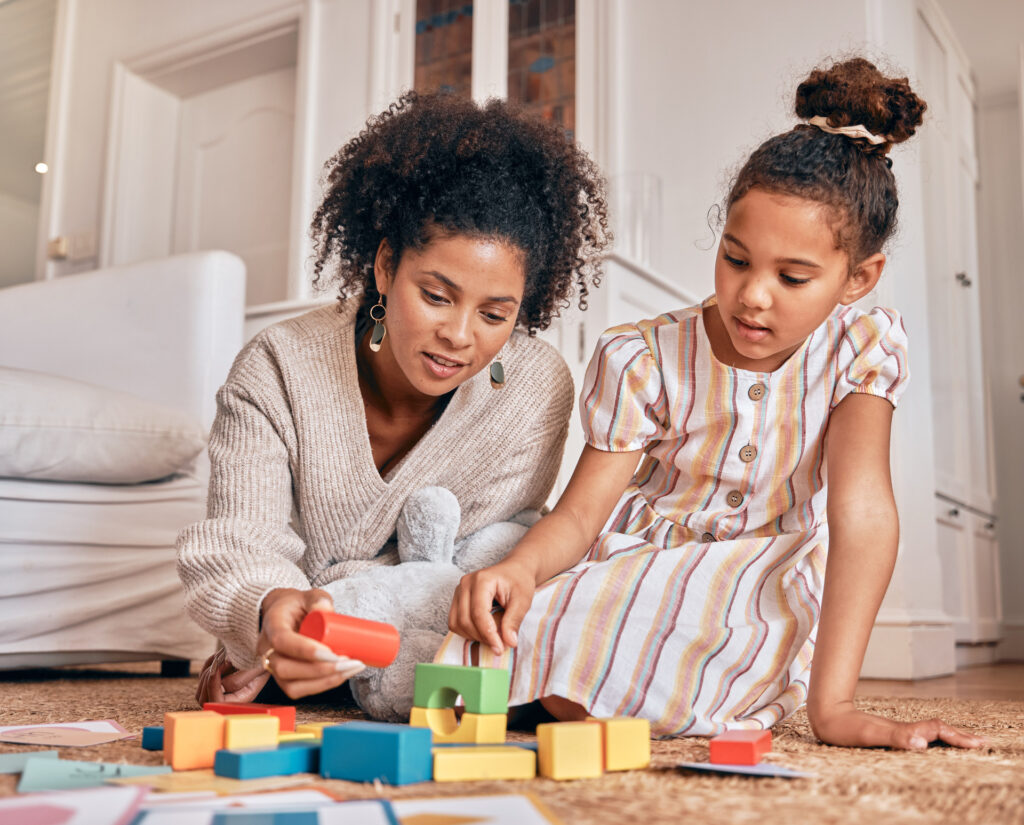
For kids, we often describe PCIT as “special play time with your grown-up where we all practice being on the same team.”
- You and your child spend time playing and talking together.
- Your therapist guides you in how to connect, stay calm, and set limits.
- Over time, your child learns what to expect, and you both feel more in control.
Instead of focusing on what your child does “wrong,” PCIT starts by building warmth and positive attention, then adds clear, consistent limits so expectations feel predictable and fair.
When PCIT Can Help
PCIT is especially helpful when behavior and emotions are disrupting daily life for young children. We often use PCIT for:
Struggles with following directions or rules
Power struggles around routines like bedtime, getting dressed, or leaving the house
Many families come to us when typical strategies—rewards, time-outs, consequences—don’t seem to be working, or when their child is too young or active to benefit from traditional individual therapy. PCIT offers a clear, step-by-step way to improve both behavior and the parent–child relationship.
Contact Us to Learn MoreHow We Use PCIT at PAC Psych
PCIT at PAC Psych is structured, supportive, and tailored to your family. We begin with an intake to understand your child’s behavior, your family routines, and what you’ve already tried. Together, we identify clear goals—such as reducing daily tantrums, improving listening and cooperation, or making mornings and bedtimes smoother. From there, we move on to the teach session where you are taught a very specific set of skills to be practiced during coaching sessions.
PCIT is typically delivered in two main phases:
Child-Directed Interaction (CDI)
In this phase, we focus on strengthening the parent–child relationship. You’ll learn specific skills to give positive attention, follow your child’s lead in play, and reduce criticism and commands during “special time.” Many parents see their child become more cooperative and less reactive as the relationship feels safer and more connected.Parent-Directed Interaction (PDI)
Once the connection is stronger, we add clear, consistent limits. You’ll learn how to give effective, calm commands; follow through in predictable ways; and use a structured system for time-out or other consequences when needed. The emphasis is on staying composed and consistent so your child knows exactly what to expect.

PCIT typically moves through two main phases: one focused on connection and positive attention, and one focused on calm, consistent limit-setting. Throughout treatment, we track progress and adjust the pace so it feels manageable.
We often integrate PCIT with other services at PAC Psych, such as Cognitive Behavioral Therapy (CBT), play therapy, or Parent Management Training, depending on your child’s needs.
What PCIT Looks Like by Age
Younger Children (2-7 Years):
PCIT with very young children centers on play and simple, concrete language. We focus on:
- Special “play time” where you follow your child’s lead and build connection
- Increasing specific praise and positive attention for behaviors you want to see more of
- Reducing critical comments, repeated commands, and power struggles
Parents learn skills they can use in everyday moments—on the floor playing, during meals, and through transitions—so changes generalize quickly to home life.
Early School-Age Children (7-12+ Years):
With slightly older children, PCIT still uses play, but we also work more directly on rules and responsibilities. We help you:
- Give clear, calm, effective instructions your child can follow
- Use consistent consequences when rules are broken
- Practice handling common hotspots, like homework, sibling conflict, and screen time
Children in this age range can often understand more about the process and may take pride in “showing off” new listening and cooperation skills in session.
The Parent Role in PCIT
Parents are at the center of successful PCIT. In this approach, your child is present in the room, but you are the one actively learning and practicing new skills. At PAC Psych, we keep you informed about what we’re working on, coach you through using praise, play, and clear commands, and help you respond to big emotions and challenging behaviors in ways that fit the PCIT model.
When additional support is needed, we can also recommend individual treatment so the child can get assistance in building coping skills and / or handle big emotions. We focus on giving you tools, structure, and a shared language with your child so you can work as a team.
Coaching
Practicing Skills in Real Time
A key feature of PCIT is live coaching, which means your therapist is guiding you in the moment as you interact with your child. Together, we practice specific phrases, responses, and play skills, adjust your approach based on your child’s reactions, and celebrate progress as it happens.
Coaching is always collaborative and paced so you feel supported—not judged—and so your child experiences you as calm, consistent, and emotionally available.
Is PCIT Right for Our Family?
PCIT can be a strong option if:
- Your child is in the early childhood range (often 2–7 years old)
- Behavior and big emotions are creating stress at home or in public
- You’re able to attend regular sessions and practice skills between visits
- You’re open to learning and trying new interaction patterns with your child
Some goals can be addressed in a focused course of PCIT. More complex or long-standing behavior patterns may benefit from a longer course of treatment, sometimes alongside other services like CBT, play therapy, or psychological testing.
If you’re not sure whether PCIT is the best fit, we can discuss your child’s situation and recommend the right combination of services within PAC Psych’s broader Child Therapy offerings.
Getting Started with PCIT at PAC Psych
If you’re considering Parent-Child Interaction Therapy for your child and family, the first step is to schedule a consultation. We’ll talk through your concerns, explain how PCIT might apply to your child’s specific challenges, and outline what PCIT would look like for your family, including the structure of sessions and expected commitment.
Ready to learn whether PCIT can help your child feel calmer and more connected—and help your family life feel more manageable? Contact us to schedule a consultation.