Child and Adolescent Therapy in New York City
At PAC Psych, we provide child therapy for children ages 2–12 who are struggling with big feelings, behavior challenges, or difficult life events. In our child-friendly Upper West Side practice, we help kids understand what they’re experiencing, learn new skills, and feel more confident at home, at school, and in the community.
Our approach is warm, collaborative, and grounded in evidence-based treatments such as Cognitive Behavioral Therapy, Parent-Child Interaction Therapy, and play-based interventions tailored to each child’s age and needs.
When Child Therapy Can Help
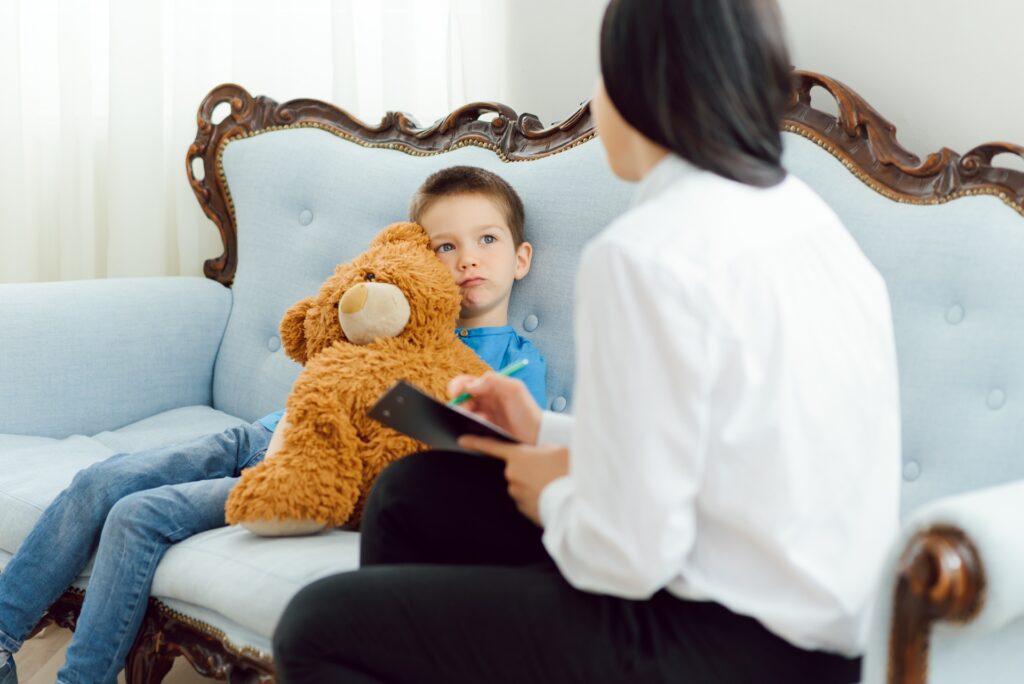
Child therapy at PAC Psych may be a good fit if your child is struggling with emotions, behavior, or changes in their life. Families often reach out when they notice frequent tantrums or emotional outbursts, ongoing worries or fears, trouble making or keeping friends, or new patterns of withdrawal, irritability, or sadness.
We also commonly work with school-related stress or avoidance, conflicts at home, difficulty following directions or managing impulses, and challenges adjusting to family changes such as separation, divorce, or a move.
Every child’s situation is unique, and part of our role is helping you sort out what’s typical, what may need extra support, and how therapy can help your child feel and function better.
Our Approach to Child Therapy
Every child and family is different, so we don’t take a one-size-fits-all approach. We start with a thorough intake to understand your child’s history, strengths, and challenges, then collaborate with you to define clear treatment goals and select evidence-based strategies that fit your child’s age, temperament, and specific concerns.
Depending on your child’s needs, treatment may include:
We check in regularly on progress and adjust the plan as your child grows and changes. The length of treatment varies depending on your child’s needs and your goals—some families come for a short-term, focused course of therapy to address a specific concern, while others benefit from longer-term support. Early in the process, we’ll talk with you about what to expect and revisit that plan together as therapy unfolds.
You’re the Change Maker
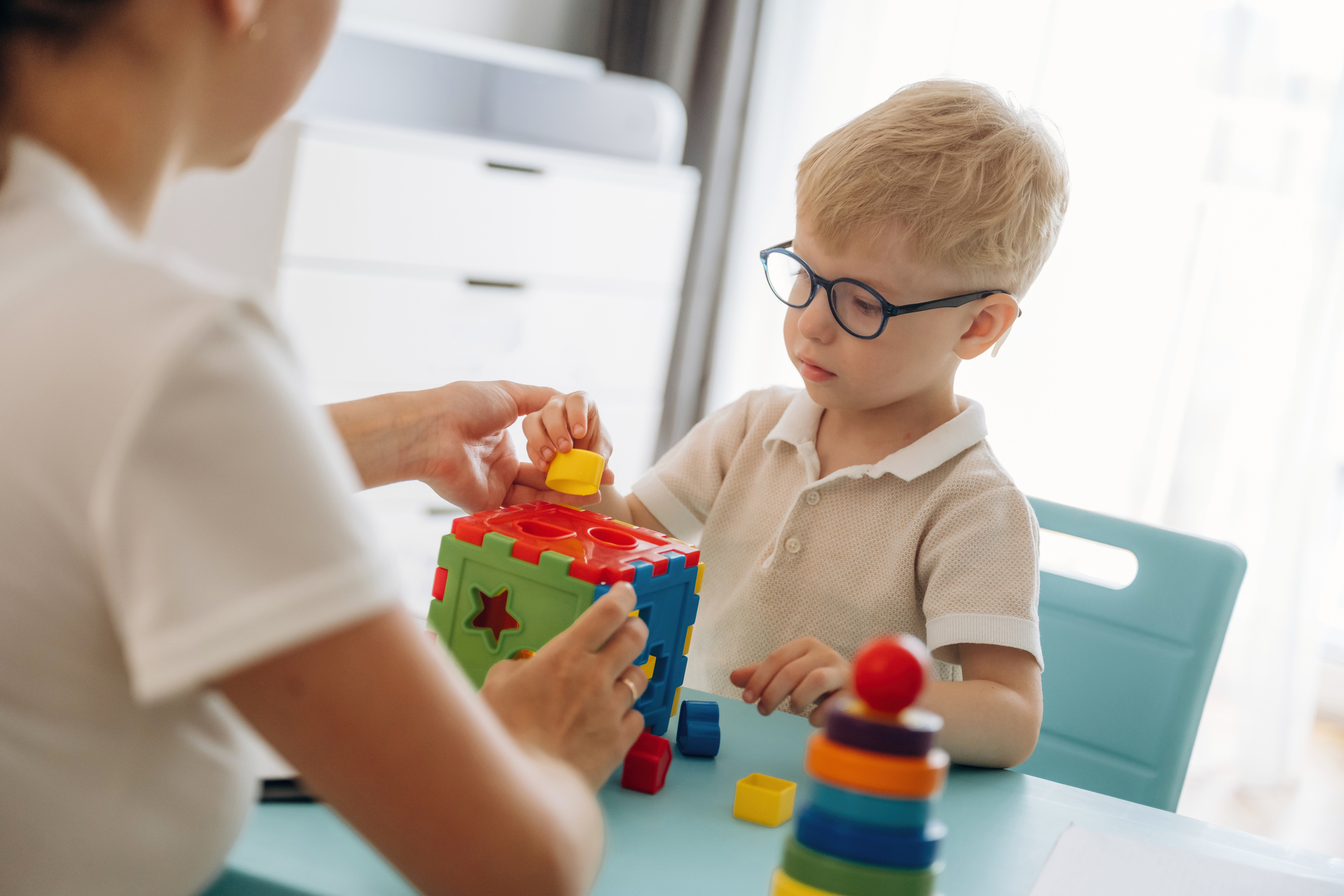
Parent Management Training is based on the idea that parents and caregivers are the most powerful agents of change in a child’s life. In our work together, we treat you as a key part of the treatment team and focus on skills you can use every day. We’ll break strategies into clear, manageable steps, practice them using real situations from your home, and adjust the plan so it fits your child and your family. Our goal is for you to leave sessions with specific tools and a concrete plan—not just general advice.
What Happens in Child Therapy Sessions?
Child therapy sessions are designed to feel safe and understandable for kids while still being structured and goal-oriented.
In a typical course of treatment, you can expect:
Initial meetings
We begin by meeting with parents or caregivers to gather background information and understand your concerns. We’ll also meet individually with your child to get to know them and build comfort.
Ongoing sessions
Your child meets regularly with a therapist for activities, conversations, and skill-building tailored to their age and goals. For younger children, this often includes play, stories, and creative expression.
Parent involvement
Parents are an essential part of effective child therapy. We provide regular parent check-ins to share observations, discuss strategies, and support you in trying new approaches at home.
School and provider collaboration
With your permission, we can coordinate with teachers, school counselors, or other providers to create consistent support across settings.

Therapy is a collaborative process. We encourage questions and feedback so we can make sure treatment feels useful and manageable for your family.
Getting Started with Child Therapy at PAC Psych
Reaching out for help is a big step, and we strive to make the process as straightforward as possible. When you contact us about child therapy, we’ll talk briefly about your concerns and answer initial questions, schedule an intake appointment with a clinician who is a good fit for your child’s needs, and then outline recommendations for next steps, which may include ongoing child therapy, parent-focused work, or psychological assessment if needed.
If you’re ready to explore whether child therapy can help your child, contact us today to speak with a clinician.