Your child has significant or long-standing academic difficulties, despite support
Neuropsychological Testing for Children & Teens
Neuropsychological testing takes a deep look at how a child’s brain is working in everyday life—how they focus, remember, problem-solve, use language, and manage emotions and behavior.
At PAC Psych, we provide comprehensive neuropsychological evaluations for children and adolescents when questions are more complex than “Do they have ADHD?” or “Is there a learning issue?” These assessments are especially helpful when there are overlapping concerns, medical histories, or long-standing school struggles and you need clear answers and a concrete plan.
From our Upper West Side practice, we combine standardized tests, observations, and input from families and schools to create a detailed picture of your child’s strengths and vulnerabilities—and what to do next.
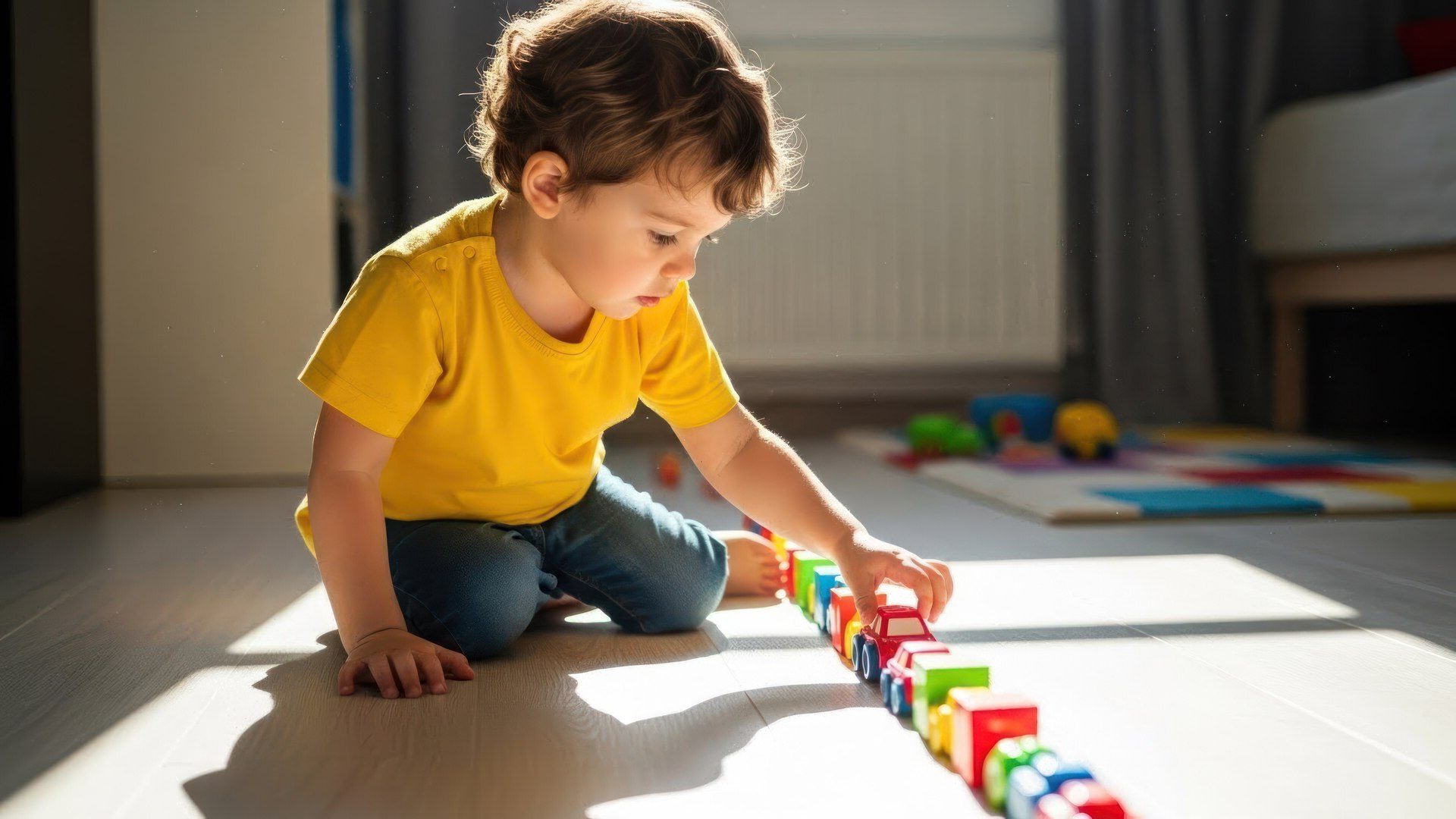
What Is Neuropsychological Testing?
A neuropsychological evaluation examines the relationship between the brain and behavior. Instead of just looking at IQ or grades, we look at how your child’s brain processes information across key areas, such as:
- Learning and memory skills: attention, concentration, executive functioning (planning, organization, self-control, flexibility), learning, memory, and processing speed
- Executive Functioning:
- Communication Learning: language skills and academic abilities in reading, writing, and math
- School Performance:
- Emotional and behavioral functioning: how feelings, behavior, and self-regulation show up day to day
The goal is not to “label” your child, but to understand why they’re struggling and how to support them more effectively at home and at school.
When Neuropsychological Testing Can Help
Neuropsychological testing is often recommended when:
Teachers or providers suspect ADHD, a learning disorder, or executive functioning challenges, but the picture is not straightforward
There is a history of prematurity, seizures, concussion, neurological conditions, or other medical concerns that may affect thinking or learning
Your child has a developmental condition (such as autism spectrum disorder) and you want a detailed profile of strengths and needs
Prior evaluations were inconclusive, conflicting, or no longer match what you’re seeing day-to-day
You need thorough documentation to request school accommodations, specialized services, or program placement
Families often come to us when they feel, “We’ve tried different supports, but something still isn’t adding up.” A neuropsychological evaluation is designed for those more complex questions.
What We Look At in a Neuropsychological Evaluation
While every evaluation is tailored to the child, a typical neuropsychological assessment may include:
Cognitive and Intellectual Abilities:
How your child reasons, solves problems, and understands complex information.
Attention and Executive Functions:
Focus, working memory, impulse control, organization, planning, time management, and flexibility.
Learning and Memory:
How your child takes in new information, stores it, and retrieves it later—both verbally and visually.
Language Skills:
Understanding spoken language, expressing thoughts clearly, word retrieval, and, when indicated, reading- and writing-related language skills.
Visual-Spatial and Motor Skills:
How they perceive and organize visual information, copy designs, and use fine motor skills.
Academic Achievement:
Reading (decoding and comprehension), writing, and math, to identify specific learning strengths and weaknesses.
Social, Emotional, and Behavioral Functioning:
Questionnaires and interviews to understand mood, anxiety, behavior, social skills, and day-to-day functioning at home and school.
We then integrate all of this information into a coherent story: how your child learns best, where the bottlenecks are, and what supports will be most effective.
What the Neuropsychological Testing Process Looks Like
We know an evaluation is a big commitment for families. At PAC Psych, we make the process as clear and child-centered as possible.
Initial Consultation & Record Review
We start with a detailed parent/caregiver meeting to understand your concerns, developmental and medical history, school history, and what you hope to learn. We review past evaluations, report cards, IEPs/504 plans, and any relevant medical records. Together, we identify the key questions the evaluation needs to answer.
Testing Sessions
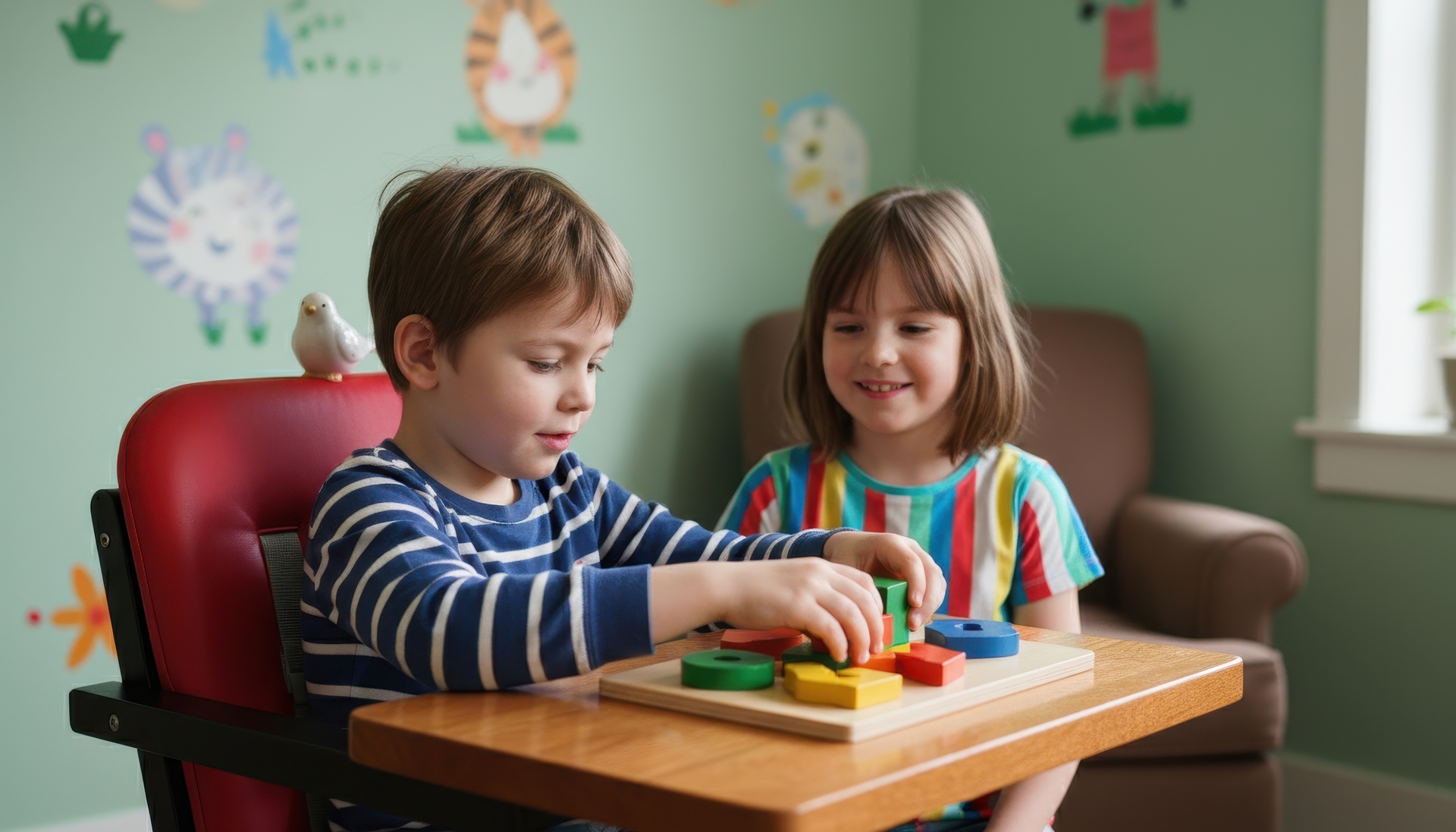
Your child will attend two to three testing sessions of about 10-12 hours of total face to face contact at our office. During these sessions, they’ll complete a mix of:
- Hands-on tasks and puzzles
- Questions and problem-solving activities
- Memory and attention tasks
- Academic exercises
- Questionnaires and rating scales (age-appropriate)
Most children experience this as “doing challenges” or “brain games.” We build in breaks, offer encouragement, and pace the sessions to keep them as comfortable and engaged as possible.
Input from School and Other Providers
With your permission, we may send rating forms to teachers or speak with school staff, pediatricians, or therapists to understand how your child functions across settings.
Scoring, Analysis, and Integration
After testing is complete, we carefully score and interpret the results, looking for patterns across all domains. We connect the data back to your child’s daily life—how these strengths and challenges show up in the classroom, at home, and in social situations.
Feedback Session and Written Report
We meet with you to review the findings in clear, jargon-free language. You’ll receive:
- An explanation of your child’s profile (not just test scores)
- Diagnostic impressions, when appropriate
- Specific, prioritized recommendations for school, home, and treatment
- A comprehensive written report you can share with schools and other providers
We leave ample time for questions so you walk away feeling informed, not overwhelmed.
How Neuropsychological Results Are Used
A high-quality neuropsychological evaluation should translate into practical next steps. Families and schools commonly use our reports to:
- Support or update IEPs and 504 plans
- Guide classroom accommodations (e.g., extra time, reduced distractions, visual supports, modified assignments)
- Inform decisions about school placement, specialized instruction, or tutoring
- Clarify whether challenges stem from ADHD, a learning disorder, anxiety, mood, executive functioning issues, or a combination
- Target specific skills in therapy, coaching, or executive function support
- Help parents understand where to adjust expectations and routines at home
We’re also available to consult with schools, attend meetings when appropriate, or collaborate with your child’s treatment team to help everyone work from the same, accurate picture.
Supporting Families Through the Process
We understand that seeking a neuropsychological evaluation can bring up worry, relief, and a lot of questions all at once. Throughout the process, we:
- Normalize your child’s and your own reactions to testing
- Help you prepare your child so they know what to expect (without feeling scared or “tested”)
- Talk through how and when to share results with your child in a developmentally sensitive way
- Help you prioritize recommendations so you don’t feel pressure to “fix everything at once”
Our goal is for you to leave not just with data, but with clarity, validation, and a realistic roadmap.
Is Neuropsychological Testing Right for My Child?
A high-quality neuropsychological evaluation should translate into practical next steps. Families and schools commonly use our reports to support or update IEPs and 504 plans, guide classroom accommodations (such as extra time, reduced distractions, visual supports, or modified assignments), and inform decisions about school placement, specialized instruction, or tutoring.
The evaluation can clarify whether challenges stem from ADHD, a learning disorder, anxiety, mood, executive functioning issues, or a combination of factors, and it helps target specific skills in therapy, coaching, or executive function support. It also gives parents a clearer sense of where to adjust expectations and routines at home.
We’re available to consult with schools and collaborate with your child’s treatment team so everyone is working from the same, accurate picture.
Getting Started with Neuropsychological Testing at PAC Psych
If you’re considering neuropsychological testing for your child or teen, the first step is to schedule a consultation. We’ll discuss your concerns, review any prior evaluations, and talk through whether this type of in-depth assessment is the right match for your questions.
From there, we’ll outline an evaluation plan, review logistics and fees, and walk you through what to expect at each step so you and your child feel prepared.
Ready to explore whether a neuropsychological evaluation can provide the clarity and direction you’ve been looking for? Contact us to schedule a consultation.