

Mood and Emotional Profile
Detailed exploration of mood symptoms, emotional triggers, and how your child copes with stress or disappointment.
Mood challenges—such as persistent sadness, irritability, mood swings, or loss of interest in activities—can deeply affect a child or teen’s daily life. These struggles are more than “bad days” or “typical ups and downs”; they may signal underlying depression, anxiety, or other mood disorders that deserve attention.
At PAC Psych, we recognize how heartbreaking and confusing it can be when your child seems withdrawn, unusually emotional, or not themselves. Our goal is to work collaboratively with you, your child, and their school or care team to understand what’s driving these mood changes and to develop a plan for healing and resilience. Treatment is especially important when mood challenges interfere with learning, relationships, or self-esteem—or when you’re unsure if your child’s struggles are “just a phase” or something more.
From our Upper West Side practice, we use interviews, structured assessments, and feedback from home and school to get a full picture of your child’s emotional world—and to create a concrete, actionable plan for support.

A focused assessment for mood challenges is often recommended when:
Families often reach out when they notice their child’s mood is affecting schoolwork, friendships, or family life—and want guidance on how to help.
Every evaluation is tailored to your child, but a typical assessment may include:
Detailed exploration of mood symptoms, emotional triggers, and how your child copes with stress or disappointment.
Observations and questionnaires to understand how mood affects relationships, daily routines, and participation at home and school.
Input from teachers or school staff about changes in classroom engagement, academic performance, and peer interactions.
Understanding family history, routines, stressors, and how adults respond to mood-related challenges—so recommendations fit your real-life context.
We bring all this information together to clarify what’s contributing to your child’s mood challenges and which strategies are most likely to help.
We know that children and teens experiencing mood challenges—and their families—may feel isolated, worried, or unsure where to turn. At PAC Psych, we design our process to be gentle, validating, and collaborative.
We start with a thorough meeting with parents or caregivers (often without the child at first) to discuss symptoms, developmental history, school experiences, and your key concerns. We review prior reports or evaluations and clarify the main questions guiding our assessment.
With your permission, we gather input from teachers, counselors, or other professionals. This may include rating scales, written feedback, or classroom observations.
We meet your child in a supportive, low-pressure way—using conversation, play, or creative activities suited to their age. We explore their feelings, coping skills, and comfort level with different situations. Our focus is on understanding, not judgment.

We recognize that mood challenges can be confusing and emotionally taxing for families. Throughout the process, we:
Our aim is for you to leave with a clear understanding of your child’s needs and a roadmap for support and healing.
Persistent mood challenges rarely resolve on their own. Early intervention can help your child regain joy, build resilience, and prevent symptoms from worsening. Assessment is especially important when mood changes are affecting learning, relationships, or daily life.
If you’re unsure whether your child needs a focused mood assessment, broader neuropsychological testing, or a different type of evaluation, we’re here to help you think through your options and choose the best path forward.
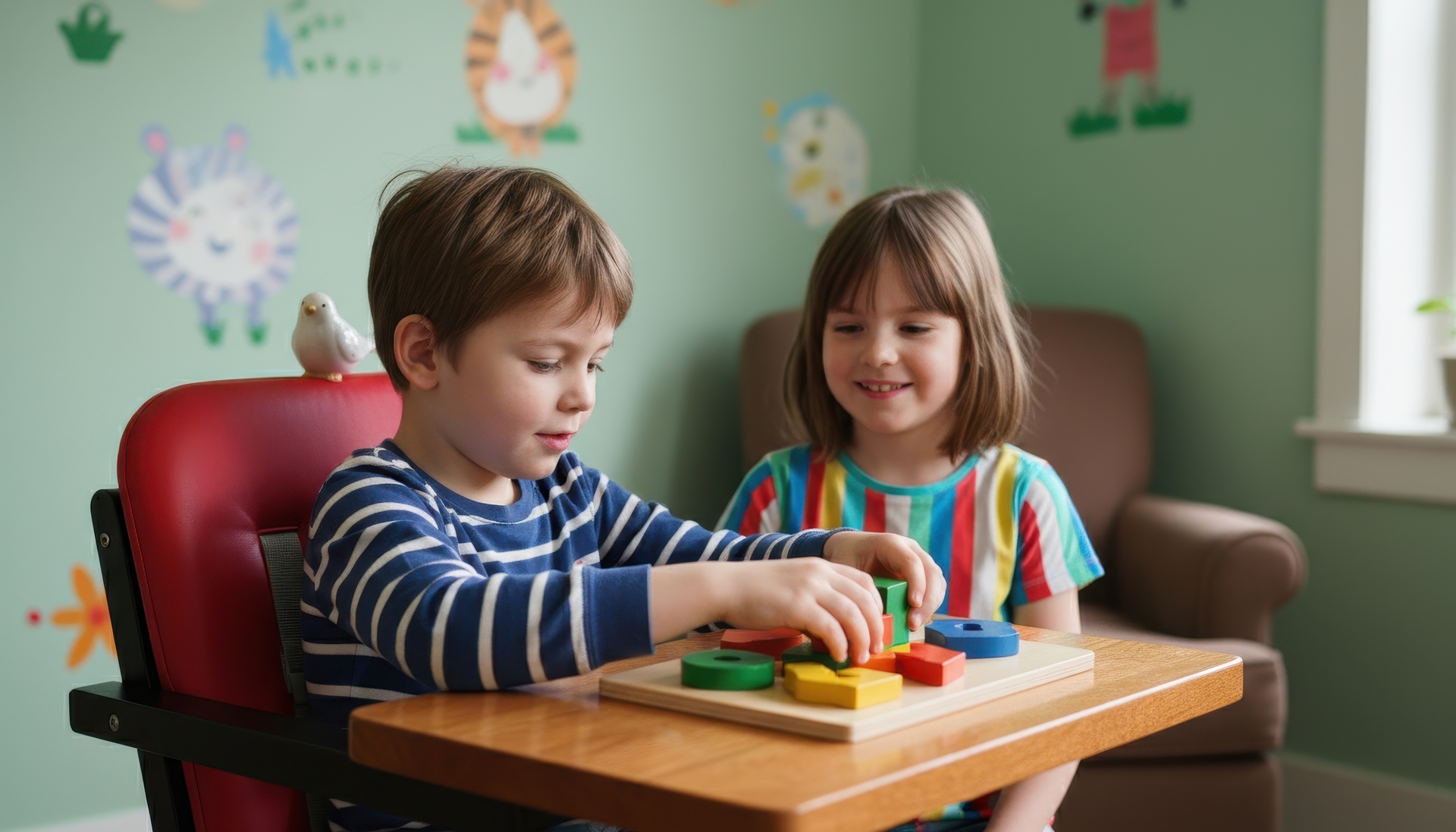
If you’re considering treatment for mood challenges, the first step is to schedule an intake. We’ll talk through your concerns, review your child’s symptoms and patterns, and discuss what a personalized treatment plan could look like.
Ready to explore how a mood challenges assessment can help your child and family? Contact us to schedule a consultation.