Worries, fears, or sadness that are hard to talk about directly
Play Therapy for Children
Play therapy is one of the core approaches we use at PAC Psych to help children express feelings, process experiences, and build coping skills. Play is a child’s natural language, and toys, art, and imagination are their words. In play therapy, we use that language intentionally to help kids work through big emotions, behavior challenges, and difficult life events.
At our child-friendly Upper West Side practice, we adapt play therapy to your child’s age and personality so sessions feel engaging and safe—not like a test or an interview.
What Is Play Therapy, in Kid-Friendly Terms?
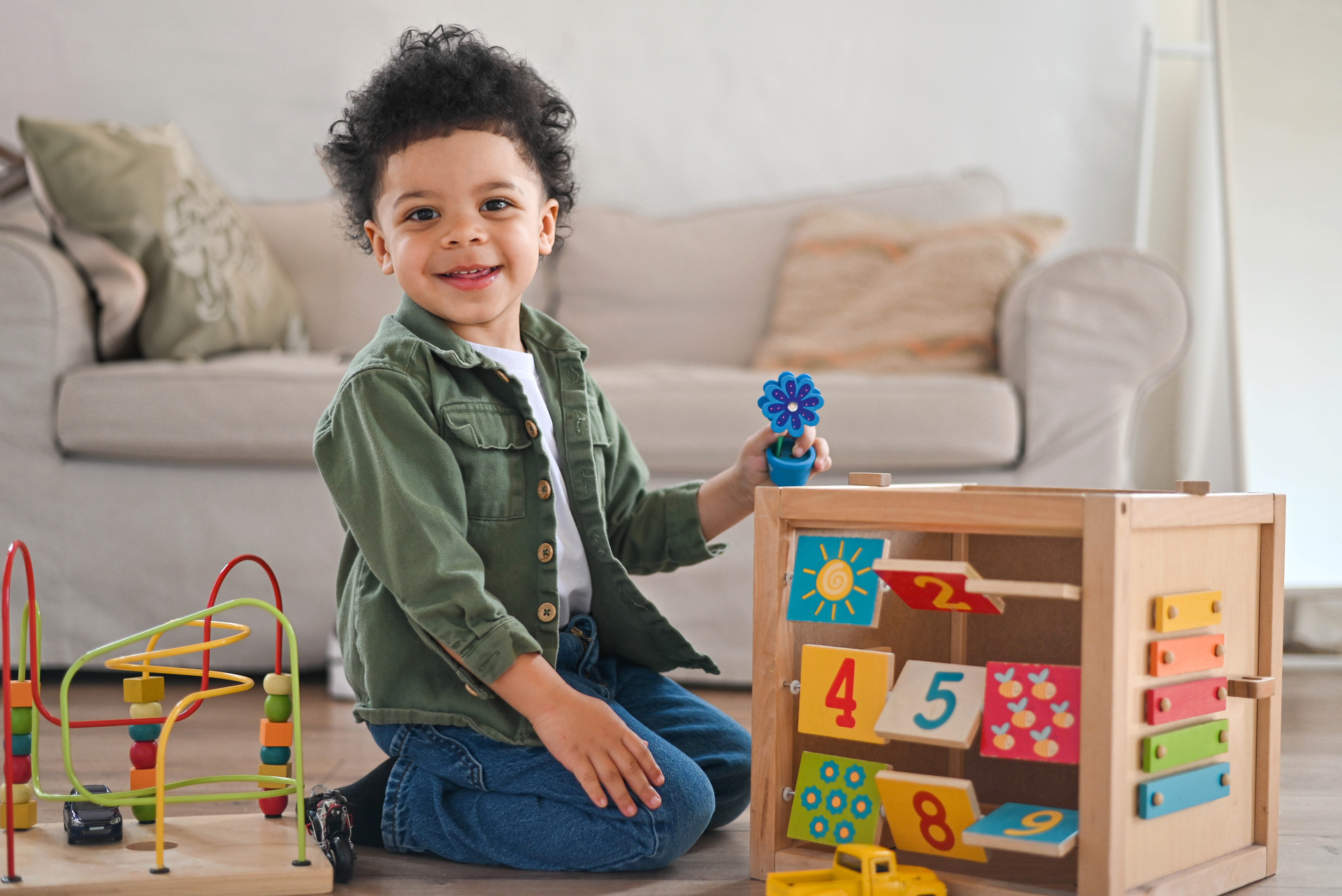
We often explain play therapy to kids as “a special time to play and talk about what’s going on inside, even if it’s hard to put into words.”
- The playroom is a safe space just for you and your therapist.
- You can use toys, art, games, and stories to show how you feel.
- Your therapist helps you understand feelings and practice new ways of handling them.
Play therapy helps children express what might be too confusing, scary, or embarrassing to say directly. Over time, they build a toolbox of ways to understand their feelings, solve problems, and feel more confident at home, at school, and with friends.
When Play Therapy Can Help
Play therapy is especially helpful when children are having a hard time expressing themselves with words, or when big emotions are showing up in behavior. We often use play therapy for:
Behavior changes after a move, loss, separation, or other stressful event
Tantrums, clinginess, or withdrawal tied to strong feelings
Social challenges, such as trouble with friends or feeling “left out”
Many families come to us when they know something is off, but their child “won’t talk about it” or “can’t explain what’s wrong.” Play therapy offers a gentle, developmentally appropriate way for kids to work through what they’re experiencing.
Contact Us to Learn MoreHow We Use Play Therapy at PAC Psych
Play therapy at PAC Psych is:
Child-centered and collaborative
We follow your child’s lead in play while gently introducing themes, stories, and skills that match their needs.Emotion-focused and skills-based
We help kids name feelings, understand what triggers them, and practice coping tools through play, art, and imagination.Integrated with other approaches
We often weave in elements of Cognitive Behavioral Therapy (CBT), or Family when helpful.
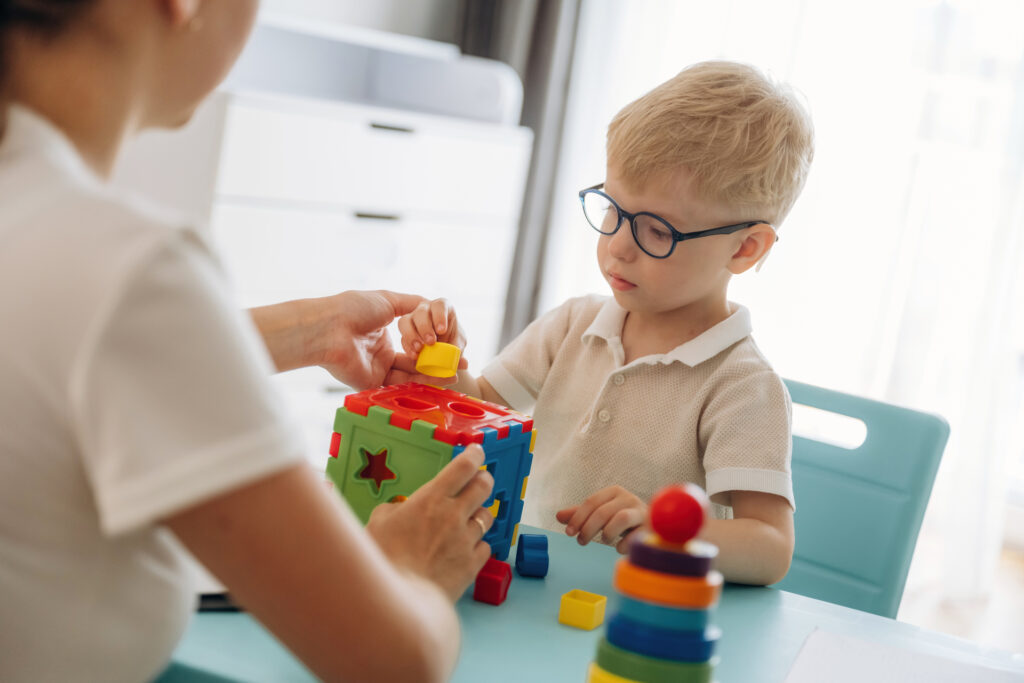
Depending on your child’s needs, a play therapy session might include imaginary play, drawing, games, storytelling, or role-plays that mirror real-life situations. Your therapist pays close attention to the themes that show up in your child’s play and uses those moments to support emotional growth, coping, and problem-solving.
We often integrate play therapy with other services at PAC Psych, such as CBT, PCIT, or Parent Management Training, depending on your child’s needs.
What Play Therapy Looks Like by Age
Younger Children (Ages 3–7):
For younger kids, play therapy is the primary way we connect and do therapeutic work. We might use:
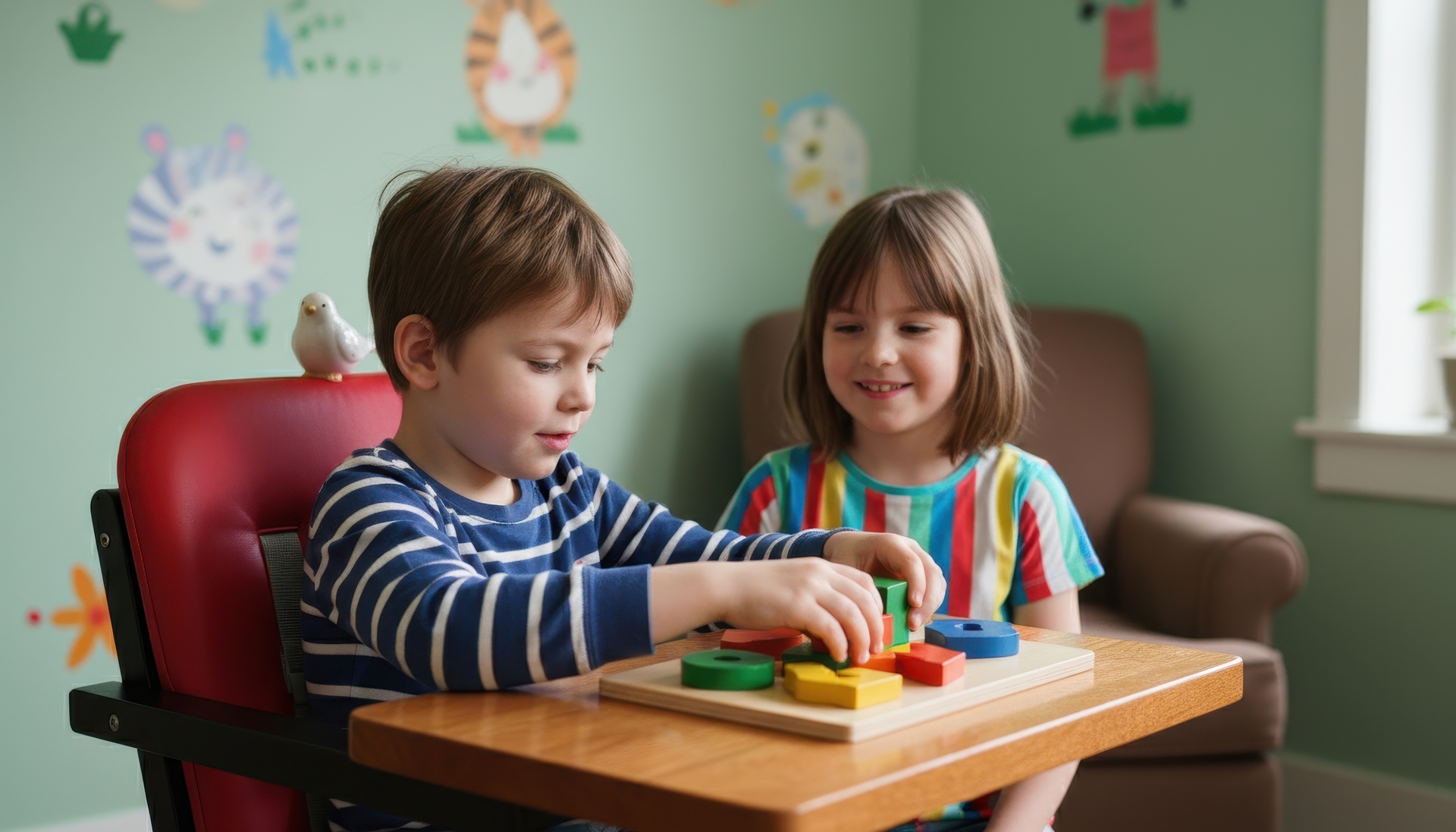
- Toy figures, dolls, and pretend play to explore family, school, or friendship situations
- Art, sand, or building materials to show feelings and experiences nonverbally
- Simple games and stories to introduce coping skills and practice flexibility or problem-solving
Sessions are active and creative, and children often experience them as “a special playtime” rather than “therapy.” Parents are involved through regular check-ins so that what we work on in the playroom can be supported at home.
Older Children (Ages 8–12):
With older children, play therapy often blends with more direct conversation. We help them:
- Use drawing, games, and role-plays to talk about worries, conflicts, or self-esteem
- Practice coping skills (like relaxation or positive self-talk) within playful activities
- Rehearse new responses to real-life situations, such as handling teasing or trying something new
Kids in this age range may move back and forth between play and talking. We adjust the balance based on what helps them feel most comfortable and engaged.
The Parent Role in Play Therapy
Parents are an important part of successful play therapy. Even though much of the work happens between your child and their therapist, we keep you closely involved in the process. At PAC Psych, we keep you informed about the themes and skills we’re focusing on, coach you on how to respond to big feelings or behavior changes at home, and help you create routines and expectations that support your child’s progress.
When additional support is needed, we may recommend Parent Management Training, PCIT, or parent-focused sessions alongside your child’s play therapy. We focus on partnership—giving you tools and a shared language with your child so you can work together.
Using Play to Practice New Skills
In play therapy, we use play as a way to safely try out new ideas and behaviors. That might look like acting out a scary situation with toys and practicing a “brave” response, using a game to practice taking turns and managing frustration, or drawing a “feelings thermometer” to show how big certain emotions feel.
Your child gets to experiment in a space where mistakes are okay and feelings are welcome. As they gain confidence in the playroom, we help them apply those same skills in real-life situations at home and school.
Is Play Therapy Right for My Child?
Play therapy can be a strong option if:
- Your child is in the early to middle childhood range and doesn’t love “just talking”
- You’ve noticed changes in mood, behavior, sleep, or social life that your child can’t easily explain
- They respond well to games, stories, art, and imagination
- You’re open to being part of the process through regular parent check-ins
Some concerns can be addressed in a short-term course of play therapy, especially when focused on a specific event or transition. More complex or long-standing difficulties may benefit from longer-term work, sometimes alongside other services like CBT, PCIT, or psychological testing.
If you’re not sure whether play therapy is the best fit, we can discuss your child’s situation and recommend the right combination of services within PAC Psych’s broader Child Therapy offerings.
Getting Started with Play Therapy at PAC Psych
If you’re considering play therapy for your child, the first step is to schedule a consultation. We’ll talk through your concerns, learn about your child’s personality and preferences, and explain how play therapy might apply to what they’re experiencing. We’ll then outline a plan that may include play therapy alone or in combination with other services.
Ready to explore whether play therapy can help your child feel more understood, confident, and settled? Contact us to schedule a consultation.