Child & Teen Therapy in New York City
At PAC Psych, we specialize in evidence-based therapy and psychological assessment for children, teens, and their families. Our child-friendly private practice on the Upper West Side of Manhattan provides a warm, supportive environment where young people ages 2–18 can understand their challenges, build skills, and thrive at home, at school, and in the community.
How We Help
Every child and family is unique, so we tailor treatment plans to your goals, your child’s developmental stage, and the latest research. Explore our services below to learn more about how we can help.
Child Therapy
Child therapy at PAC Psych focuses on helping kids understand their emotions, behavior, and experiences in a way that feels safe and age-appropriate. Using play, conversation, and skills-based strategies, we help children build coping tools, improve behavior, and strengthen relationships at home and at school.
Cognitive Behavioral Therapy
Cognitive Behavioral Therapy (CBT) is a structured, goal-oriented approach that helps children and teens understand how their thoughts, feelings, and behaviors are connected. We use CBT to treat anxiety, depression, obsessive-compulsive symptoms, and behavior challenges, teaching practical strategies your child can use in daily life.
Parent-Child Interaction Therapy
Parent-Child Interaction Therapy (PCIT) is a specialized treatment for young children with significant behavior and emotional challenges. In our state-of-the-art PCIT suite—one of the first private practice PCIT facilities in NYC—parents receive live coaching through an earpiece while they interact with their child in a playroom designed specifically for treatment.
Play Therapy
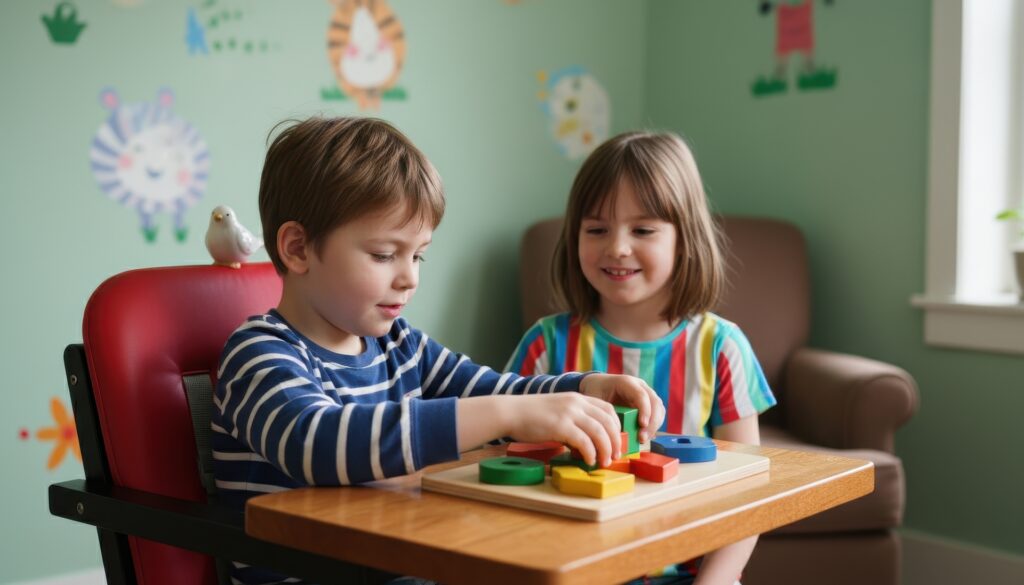
For younger children, play is their language. Play therapy uses toys, games, art, and imaginative play to help children express feelings, process experiences, and develop new coping skills in a safe environment.
Anxiety & Phobia Treatment
PAC Psych has specialized training in the treatment of anxiety disorders in children and teens, including generalized anxiety, social anxiety, phobias, school avoidance, and obsessive-compulsive symptoms. We use CBT and exposure-based approaches to help young people gradually face fears, reduce avoidance, and regain confidence.
Trauma Therapy
We offer Trauma-Focused Cognitive Behavioral Therapy (TF-CBT) and Trauma and Grief–Focused Cognitive Behavioral Therapy (TG-CBT) for children and adolescents who have experienced traumatic events or significant losses. Treatment is structured, supportive, and paced to help young people feel safe as they process difficult experiences and regain a sense of control.
Exposure Response Therapy
ERP is an effective therapy for OCD. It involves facing anxiety triggers while resisting the urge to do compulsions or rituals. Over time, this helps reduce anxiety and teaches your brain that you can handle discomfort without giving in to OCD habits.
Parent Management Training
Parent Management Training teaches caregivers specific strategies for encouraging positive behavior and reducing disruptive or unsafe behaviors at home and in the community. Sessions focus on practical tools you can use right away—such as giving effective directions, using rewards and consequences, and staying calm during challenging moments.
SPACE
SPACE stands for Supportive Parenting for Anxious Childhood Emotions. It is a treatment for childhood anxiety that works by coaching parents, not kids. Parents learn to stop making changes or accommodations to avoid their child’s anxiety and instead use supportive statements that show empathy while encouraging independence. This helps children gain confidence and learn they can manage their own anxious feelings.
Neuropsychological Testing & Assessment
Neuropsychological testing can answer important questions about a child’s learning, attention, emotional functioning, and behavior. Our comprehensive assessments integrate interviews, standardized measures, school input, and observation to provide a clear picture and actionable recommendations.
Neuropsychological testing examines how a child’s brain processes information—looking at attention, memory, executive functioning, language, visual-spatial skills, and more. These evaluations are especially helpful when there are complex learning profiles, medical histories, or questions about how different abilities work together.
Neuropsychological evaluations also include a look into a child’s social emotional and cognitive functioning. Results can clarify a child’s learning strengths, identify giftedness, or help identify Learning Disabilities, such as Dyslexia, Dysgraphia and Dyscalculia. They are also used as a tool to aid in diagnosing Attention and Executive functioning deficits, such as ADHD and can be helpful in diagnosing Autism and Social Communication Disorders as well. Neuropsychological evaluations are often used to help make differential diagnoses so that we can figure out what is really going on and create the best possible recommendations for the needs of your child.
family therapy
Family therapy brings children, teens, and caregivers together to improve communication, resolve conflicts, and strengthen family bonds. Sessions focus on practical skills and collaborative problem-solving, helping families navigate challenges and build a more connected home life.
Not Sure Where to Start?
Many families come to us knowing something isn’t working—but not yet knowing what kind of therapy or assessment they need. That’s completely okay. In an initial consultation, we’ll listen to your concerns and your child’s history, recommend the services that are the best fit, and outline a clear next step so you know what to expect.
Ready to take the next step? Request an appointment or contact us to talk with a clinician about your child’s needs.