Repetitive behaviors like washing, checking, counting, or arranging
OCD Treatment for Children & Teens
Obsessive-compulsive disorder (OCD) can touch every part of a young person’s life—and the lives of their family, too. At PAC Psych, we help children and adolescents break free from the cycle of obsessions and compulsions so they can feel more confident, in control, and able to enjoy everyday life. We draw on evidence-based behavioral and cognitive strategies to reduce distress, challenge OCD patterns, and build lasting coping skills.
At our child-friendly Upper West Side practice, we tailor OCD treatment to your child’s age, symptoms, and experience so the plan feels realistic and supportive—not overwhelming or one-size-fits-all.

What Is OCD Treatment, in Kid-Friendly Terms?
We often explain OCD to kids as “when your brain gets stuck on certain worries and makes you feel like you have to do things over and over, even if you don’t want to.”
- Obsessions are thoughts or images that keep popping up and make you feel anxious or uncomfortable—like worries about germs, making a mistake, or something bad happening.
- Compulsions are the things you feel like you have to do to make that anxiety go away—like washing, checking, repeating, or asking for reassurance.
OCD treatment helps children and teens notice those patterns, understand why their brain is getting stuck, and practice new ways to face their fears without giving in to compulsions. Over time, they learn that anxiety can fade on its own and OCD’s rules don’t have to run the show.
When OCD Treatment Can Help
OCD-focused treatment is especially helpful when obsessions or compulsions are taking up a lot of time and energy, or interfering with daily life. We often work with:
Distressing thoughts or worries that feel impossible to turn off
Avoidance of people, places, or activities because of fears or “bad thoughts”
Family routines shaped by rituals, reassurance, or special rules
Many families come to us after feeling like they’ve “tried everything”—or when OCD symptoms are fueling stress, frustration, or school and social issues. Structured, supportive treatment offers a clear, step-by-step way to reduce OCD symptoms while respecting your child’s feelings and your family’s values.
Contact Us to Learn MoreHow We Treat OCD at PAC Psych
OCD treatment at PAC Psych is:
Goal-oriented
We work with you and your child to set specific, meaningful goals (for example, “spend less time on rituals,” “face a feared situation without a compulsion,” or “go to bed without reassurance checks”).Active and practical
Sessions aren’t just talking about worries. We teach and practice concrete skills—like gradually facing triggers, resisting compulsions, and coping with discomfort—and then plan small steps to try at home between sessions.Tailored to age and symptom pattern
Treatment for a younger child with cleaning rituals looks different from treatment for a teen with intrusive thoughts. We adjust the language, activities, and strategies so they fit your child.
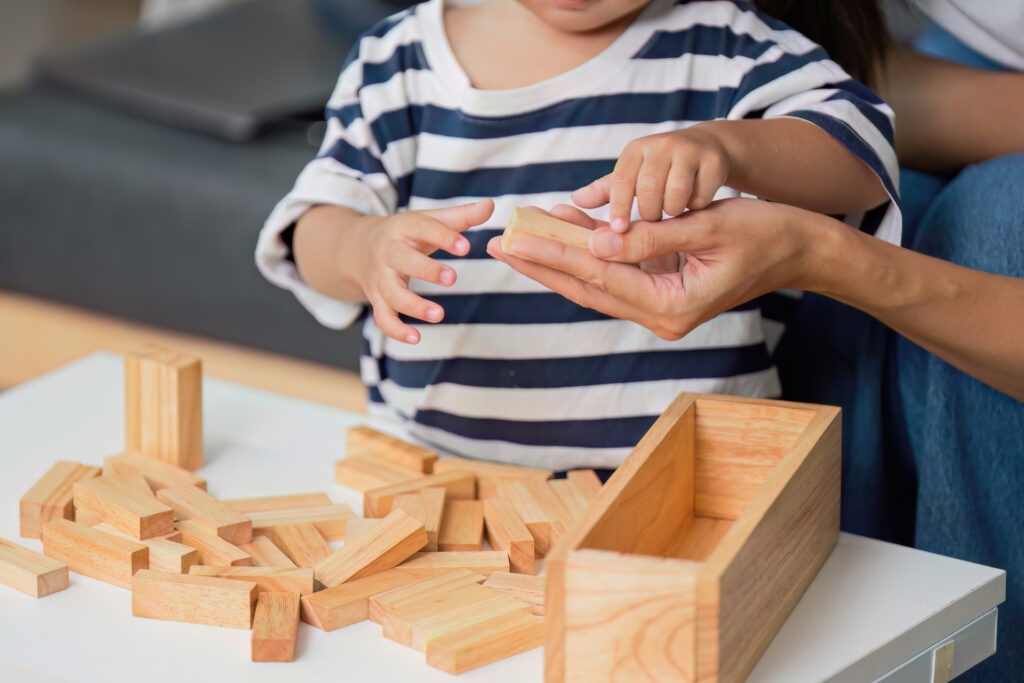
We often integrate Exposure and Response Prevention (ERP), Cognitive Behavioral Therapy (CBT), and parent-focused support. Depending on your child’s needs, we may also coordinate with your pediatrician or other providers to support progress and rule out other contributing factors.
What OCD Treatment Looks Like by Age
Younger Children:
For younger kids, OCD work often focuses on identifying rituals, making small changes, and using play, stories, or rewards to encourage facing fears. We create “bravery plans” and practice skills in session, with parents closely involved to reinforce progress at home.
Preteens and Teens:
With preteens and teens, treatment is more collaborative and involves understanding OCD’s tricks, building motivation to change, and designing exposure exercises that feel manageable. Teens learn practical strategies to handle tough moments, both in session and in daily life, and are given a voice in their treatment plan.
The Parent Role in OCD Treatment
Parents are an essential part of successful OCD treatment, especially for younger children. At PAC Psych, we keep you informed about strategies we’re using, coach you on how to respond to rituals and anxiety, and help you balance empathy with clear limits. Our approach is non-blaming and collaborative—we work together to create a plan that fits your family’s routines and capacity.
When extra support is needed, we may recommend parent-focused sessions or additional coaching alongside your child’s OCD work. If school issues are present, we can coordinate with teachers or counselors to help everyone stay on the same page.
Exposure
Gently Facing OCD Triggers
For children and teens with OCD, effective treatment usually includes a gentle exposure component. This might mean gradually facing a feared situation or thought and resisting the urge to do a compulsion—like touching a doorknob without washing, or sitting with a worry without asking for reassurance. Together, we create a “bravery ladder” of small, manageable steps, teach coping skills for anxiety, and celebrate progress along the way. Exposure is always collaborative and paced for your child’s comfort.
Is OCD Treatment Right for My Child?
OCD-focused treatment can be a strong option if:
- Your child’s obsessions or compulsions have lasted for weeks or months, not just a few days
- OCD symptoms are affecting mood, behavior, school, or family life
- You’re ready to make some changes at home and support your child in trying new strategies
Some OCD challenges can be addressed in a short-term, focused course of treatment, while more complex or long-standing symptoms may benefit from longer-term work or added support. If you’re not sure, we can discuss your child’s situation and recommend the right combination of services within PAC Psych’s broader Child Therapy offerings.

Getting Started with OCD Treatment at PAC Psych
If you’re considering help for your child’s OCD, the first step is to schedule a consultation. We’ll talk through your concerns, learn about your child’s symptoms and routines, and explain how our approach may help. We’ll then outline a plan that may include ERP, CBT, parent support, or a combination of services.
Ready to help your child break free from OCD’s grip? Contact us to schedule a consultation.