

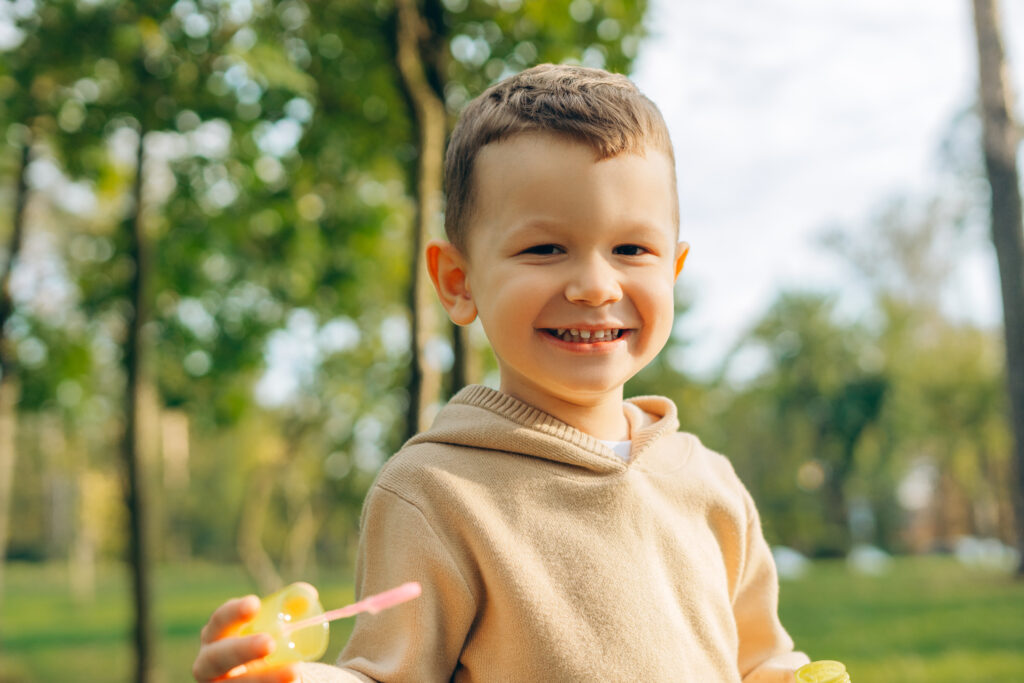
Children today face a world full of distractions—screens, busy schedules, and constant stimulation. For many families, helping kids slow down and truly notice their thoughts and feelings feels nearly impossible. Yet, when children learn to pause, breathe, and pay attention to the present moment, they build lifelong skills for managing stress and emotions. This is where mindfulness, especially as practiced in Dialectical Behavior Therapy (DBT), can make a real difference.
What Is Mindfulness in DBT?
Mindfulness is at the heart of DBT, a therapy originally developed to help people regulate intense emotions. In child therapy, DBT adapts these techniques to help kids become more aware of their bodies, thoughts, and feelings. Instead of reacting automatically—shouting, shutting down, or acting out—kids learn to notice what’s happening inside them and choose how to respond.
Mindfulness in DBT is not about forcing kids to sit still for long periods or empty their minds. Instead, it’s about simple, practical exercises that fit into daily life. These practices help children:
- Recognize early signs of stress or overwhelm
- Name their emotions without judgment
- Shift attention from worries to what’s happening right now
- Build self-control and resilience
How Mindfulness Helps Kids Respond Instead of React
When a child’s brain is busy or overwhelmed, it’s easy for emotions to take over. Mindfulness gives kids a “pause button.” By noticing their breath, the sensations in their body, or the sounds around them, children can create a small space between feeling and action. This space is powerful—it allows for reflection and choice.
In DBT, therapists often guide children through exercises such as:
- “What do you notice?”—Encouraging kids to describe what they see, hear, or feel in the moment.
- “Name it to tame it”—Helping children put words to their emotions, which can reduce the intensity of those feelings.
- “Back to the breath”—Teaching kids to focus on their breathing when they feel upset, which calms the nervous system.
Over time, these practices strengthen the brain’s ability to manage impulses and handle big feelings.
Practical Mindfulness Exercises for Parents and Kids
You don’t need special equipment or long meditation sessions to help your child practice mindfulness. Here are a few DBT-inspired exercises you can try at home:
1. The Five Senses Game
Ask your child to pause and notice:
- 5 things they can see
- 4 things they can touch
- 3 things they can hear
- 2 things they can smell
- 1 thing they can taste
This simple activity grounds kids in the present and can quickly shift attention away from worries or frustration.
2. Belly Breathing with a Stuffed Animal
Have your child lie down with a favorite stuffed animal on their stomach. Ask them to breathe in slowly through the nose and watch the stuffed animal rise, then breathe out and watch it fall. This visual cue helps children learn deep, calming breaths.
3. Mindful Hand Washing
Turn a daily routine into a mindful moment. Encourage your child to notice the temperature of the water, the feel of the soap, and the sound of the bubbles. Focusing on these sensations can make ordinary moments calming.
4. Emotion Naming
When your child seems upset, gently ask, “Can you tell me what you’re feeling right now?” Help them find words for their experience—angry, sad, excited, nervous. Naming emotions can help children manage them more effectively.
Mindfulness in Action: Real-Life Benefits
Practicing mindfulness regularly can lead to real changes for kids. Studies have shown that mindfulness programs in schools and therapy settings can improve attention, reduce anxiety, and help children regulate their emotions. Even brief mindfulness exercises can help children respond more calmly to stress. At PAC Psych, our therapists use these evidence-based practices to support children and families. Mindfulness is woven into DBT sessions, group therapy, and parent coaching.
Making Mindfulness a Habit at Home
Consistency is key. Try practicing mindfulness together as a family, even for just a few minutes each day. Remember, it’s normal for kids (and adults!) to get distracted. The goal isn’t perfection—it’s building the habit of noticing and returning to the present moment.
If you’re seeking more personalized support, PAC Psych offers guidance and therapy tailored to your family’s needs. Contact us for more information about therapy for children.