Trauma History and Symptoms
Careful exploration of what happened, how your child experienced it, and current symptoms (such as nightmares, flashbacks, avoidance, or mood changes).
Trauma can deeply affect a child or teen’s sense of safety, trust, and self-worth. Whether the trauma is from a single event or ongoing experiences, it often shows up in ways that aren’t always obvious—changes in mood, behavior, sleep, relationships, or school performance.
At PAC Psych, we understand how overwhelming it is to see your child struggling after something difficult. Our job is to help children, teens, and families process what’s happened, regain a sense of safety, and build the skills needed to move forward. Treatment is especially helpful when trauma is affecting daily life, relationships, or emotional well-being.
From our Upper West Side practice, we use interviews, evidence-based measures, and input from home and school to create a clear understanding of your child’s needs—and a concrete plan for healing and recovery.

A focused trauma assessment may be recommended when:
Families often reach out when they see ongoing distress or behavioral changes that don’t resolve with time or reassurance. A trauma assessment helps clarify what’s happening and guides the next steps for healing.
Every evaluation is tailored to the child, but a typical trauma assessment may include:
Careful exploration of what happened, how your child experienced it, and current symptoms (such as nightmares, flashbacks, avoidance, or mood changes).
Questionnaires, interviews, and observations to understand anxiety, depression, anger, and coping skills.
Information from teachers and school staff about participation, peer relationships, and any changes in behavior or performance.
Understanding family responses, cultural background, previous experiences, and available supports.
We integrate all this information to create a full picture: how trauma is affecting your child, what is maintaining distress, and which approaches are most likely to support healing.
Children and teens who have experienced trauma may feel especially vulnerable. At PAC Psych, we design our intake process to be gentle, flexible, and centered on your child’s comfort and readiness.
We begin with a detailed meeting with parents or caregivers (often without the child present at first) to understand the traumatic event(s), your child’s reactions, developmental and medical history, and your concerns. We review any prior reports or evaluations and clarify the key questions guiding the assessment.
With your permission, we gather insights from teachers, school counselors, and other providers. This may include rating scales, written feedback, and (when possible) classroom observations.
We meet with your child in a gradual, supportive way, never forcing them to discuss anything before they’re ready. We may:
Our goal is to help your child feel safe and understood, and to identify what will best support their healing.
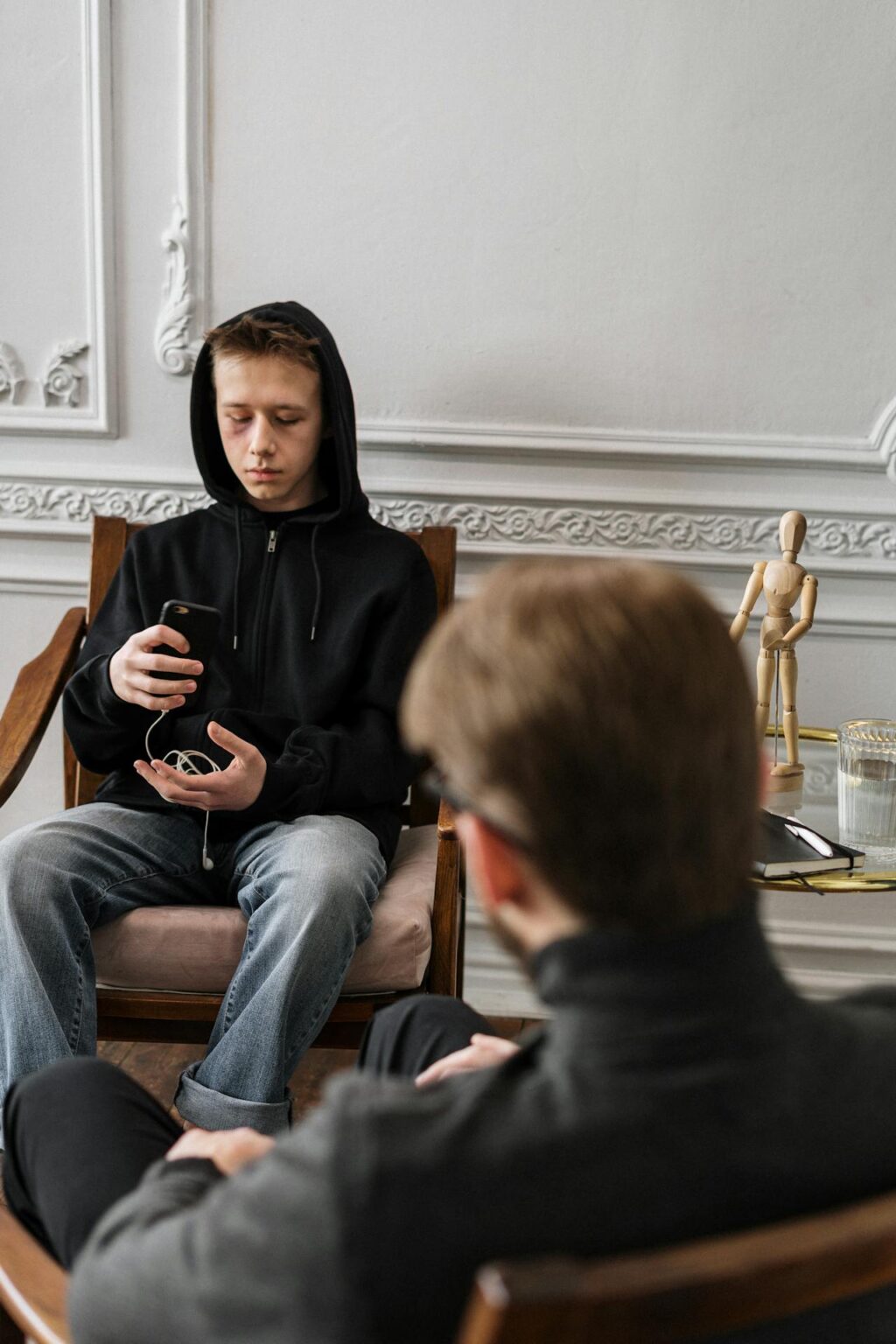
We know that trauma affects the whole family. Parents may feel guilt, anger, or uncertainty about how to help. Throughout the process, we:
Our goal is for you to leave with a clear understanding of your child’s needs and a practical, compassionate plan for recovery.
While some children recover naturally after difficult experiences, others need extra support to heal and move forward. If your child’s distress is lasting, worsening, or interfering with daily life, trauma treatment can make a real difference.
If you’re unsure whether your child needs trauma-specific support or a broader evaluation, we’re here to talk through your concerns and help you find the best next step.
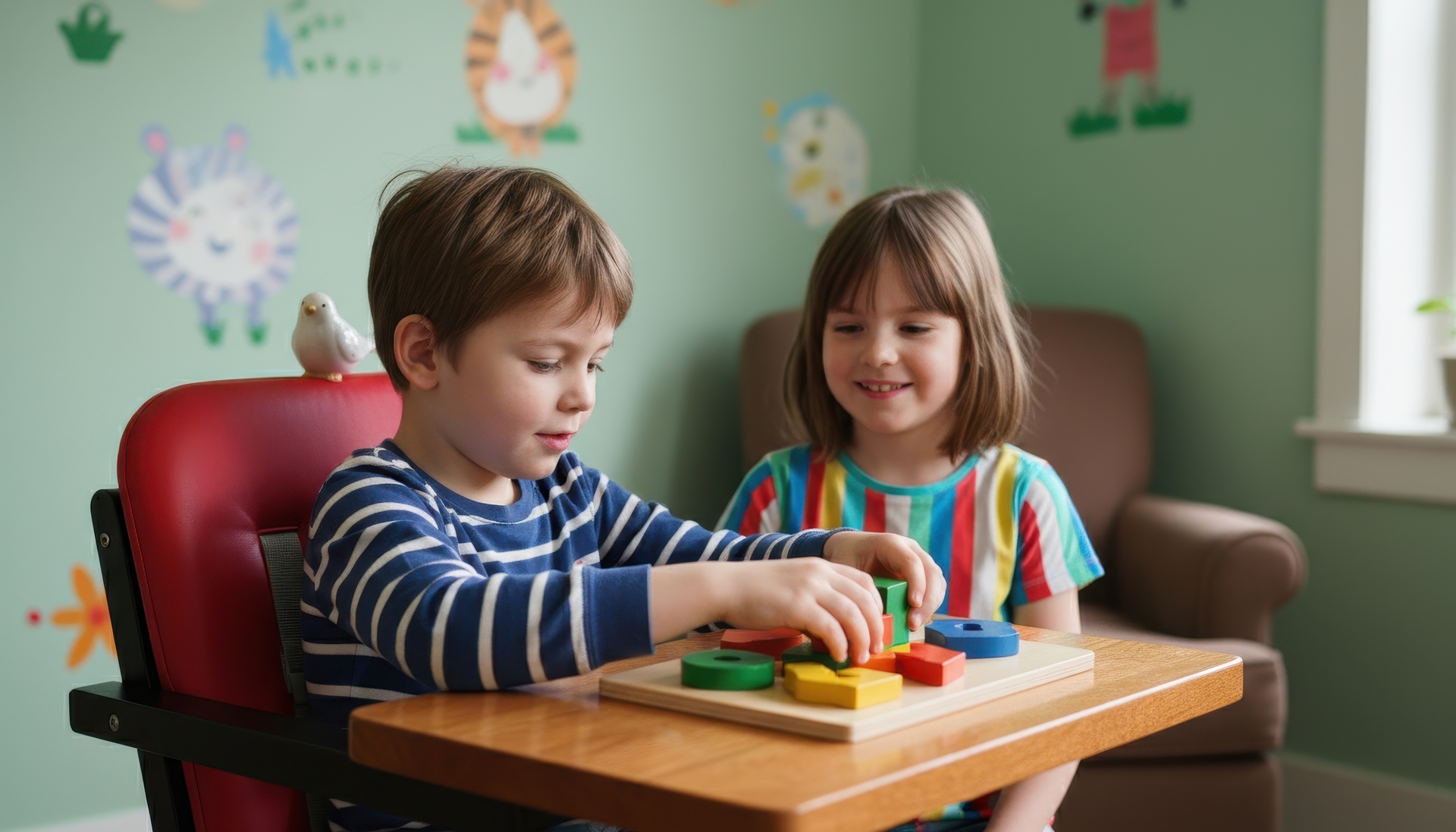
If you’re considering support for your child after trauma, the first step is to schedule an intake. We’ll discuss your concerns, review your child’s experiences and symptoms, and talk through what a treatment plan would look like.
Ready to explore how trauma assessment and support can help your child heal? Contact us to schedule a consultation.