

Emotional and Behavioral Functioning
Interviews, standardized questionnaires, and observations to understand the type and severity of anxiety, as well as any related mood or behavioral changes.
Anxiety in children and teens is more than occasional worry or nervousness. When anxiety becomes persistent, showing up as excessive fears, avoidance, physical complaints, or disruptive thoughts, it can interfere with daily life, school, friendships, and family relationships. Children may not always have the words to describe what they’re feeling, but anxiety can reveal itself through mood changes, irritability, trouble sleeping, difficulty concentrating, or frequent reassurance-seeking.
At PAC Psych, we understand how distressing it can be to watch your child struggle with anxiety that doesn’t seem to improve with reassurance or time. Our goal is to help your child, and your family, understand what’s happening, develop healthy coping skills, and regain a sense of confidence and calm. Treatment is especially helpful when anxiety is affecting your child’s happiness, academic performance, or relationships.
From our Upper West Side practice, we use a combination of interviews, standardized assessments, and collaboration with home and school to gain a full picture of your child’s experiences, triggers, and strengths. We then work with you to create a practical, evidence-based plan for managing anxiety and supporting your child’s growth.
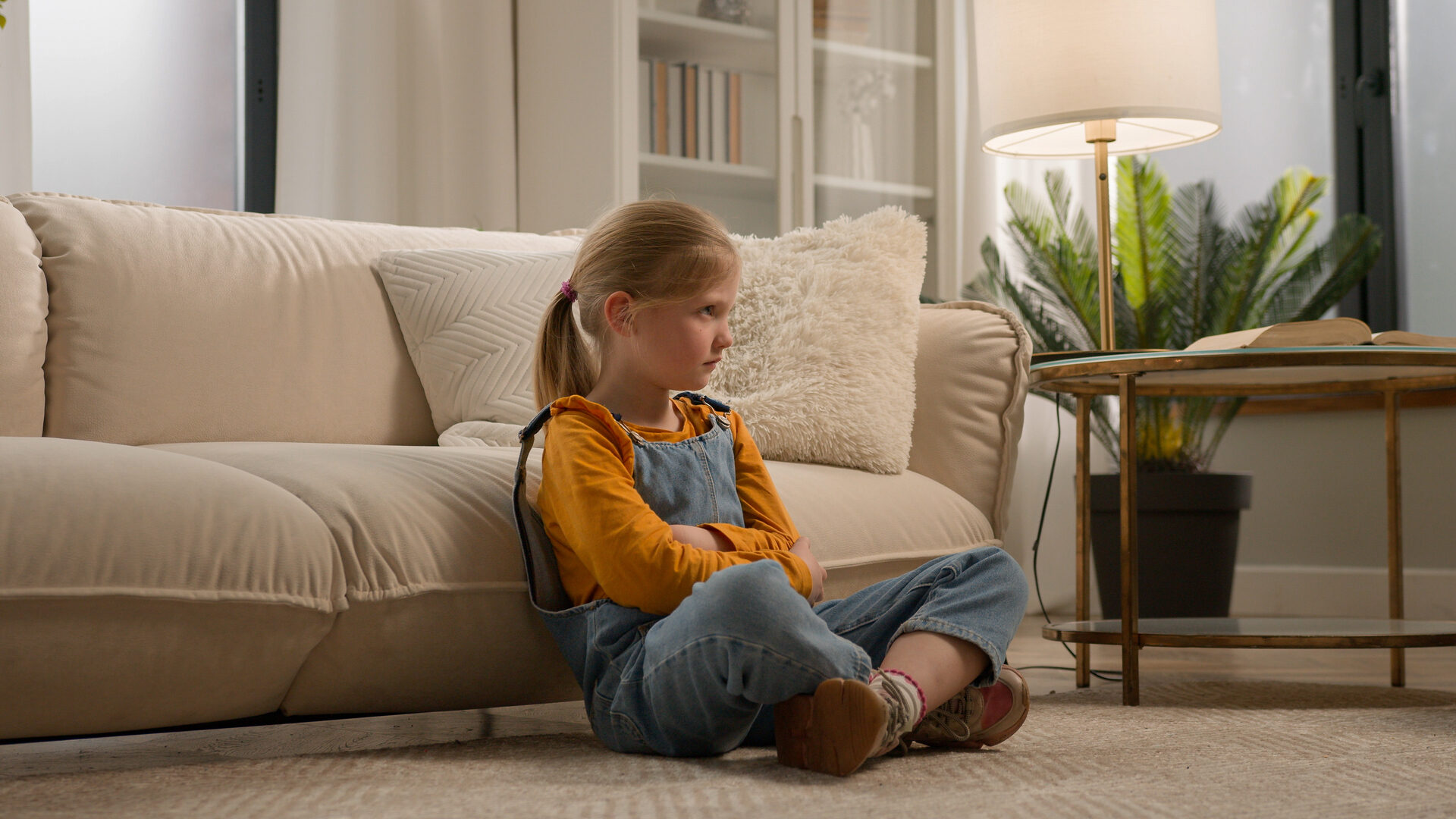
A focused anxiety assessment is often recommended when:
Families often reach out after trying to reassure their child or make changes at home, but find that anxiety continues to interfere with daily life. An assessment can clarify what’s going on and guide next steps for effective treatment.
Every evaluation is tailored to your child’s unique situation, but a typical assessment may include:
Interviews, standardized questionnaires, and observations to understand the type and severity of anxiety, as well as any related mood or behavioral changes.
Feedback from teachers and school staff about participation, academic engagement, friendships, and classroom behavior.
Exploring recent stressors, family history of anxiety or mental health conditions, cultural context, and how your child and family have responded to anxiety in the past.
Identifying current coping mechanisms, support systems, and areas where your child demonstrates resilience or adaptability.
We integrate this information to create a comprehensive understanding of your child’s anxiety and develop a plan for targeted, compassionate support.
We know anxiety can be overwhelming for both children and parents. At PAC Psych, our intake process is gentle, flexible, and centered on your family’s needs.
We begin with a detailed meeting to review your child’s history, current symptoms, and your concerns. We’ll discuss what strategies you’ve tried and what has or hasn’t helped so far.
With your permission, we gather input from teachers, counselors, and other professionals to understand how your child functions in different settings.
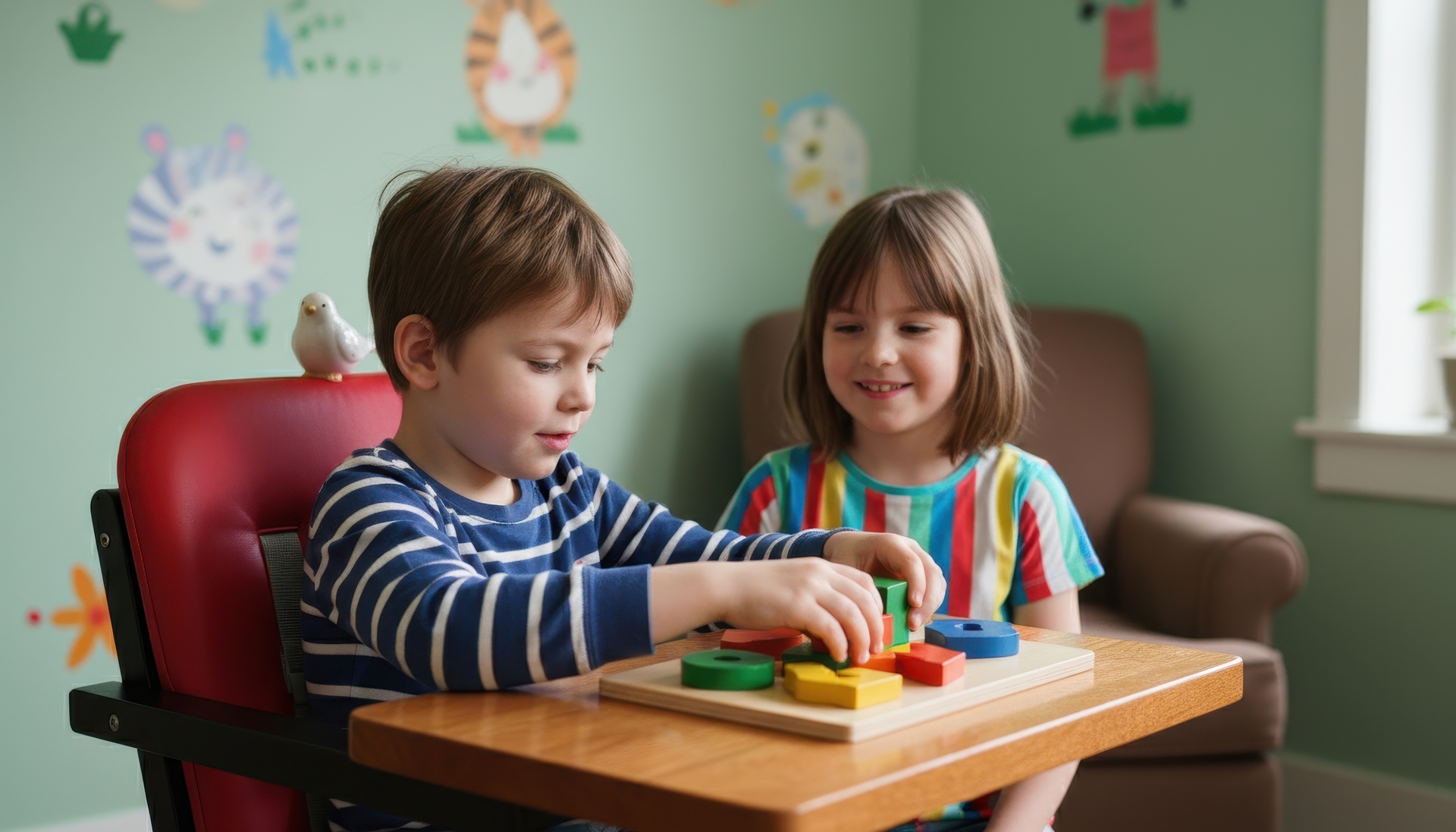
We meet with your child in a supportive, pressure-free environment—using conversation, play, or creative activities to help them express their experiences and worries. Our goal is to understand their perspective and identify ways to help them feel safer and more in control.

Anxiety can bring up frustration, guilt, or uncertainty for parents. Throughout treatment, we:
Our aim is for you to leave with a clear understanding of your child’s needs and a practical, compassionate plan for moving forward.
While many children experience occasional worries, persistent or intense anxiety may require extra support. If your child’s anxiety is lingering, causing distress, or interfering with daily life, an assessment can help clarify the path ahead. Early intervention can prevent anxiety from becoming more entrenched and help your child—and your family—move forward with confidence.
If you’re considering support for anxiety, the first step is to schedule an intake. We’ll talk through your concerns, review your child’s experiences, and discuss what a treatment plan might look like.
Ready to find clarity and support as your child navigates anxiety? Contact us to schedule a consultation.